swiss logo photo
[ Other ]
18 / 08 / 2026

The Second Life of Swiss Trams: How Donated Carriages Became a Symbol of Vinnytsia

-
By -
The Second Life of Swiss Trams: How Donated Carriages Became a Symbol of Vinnytsia
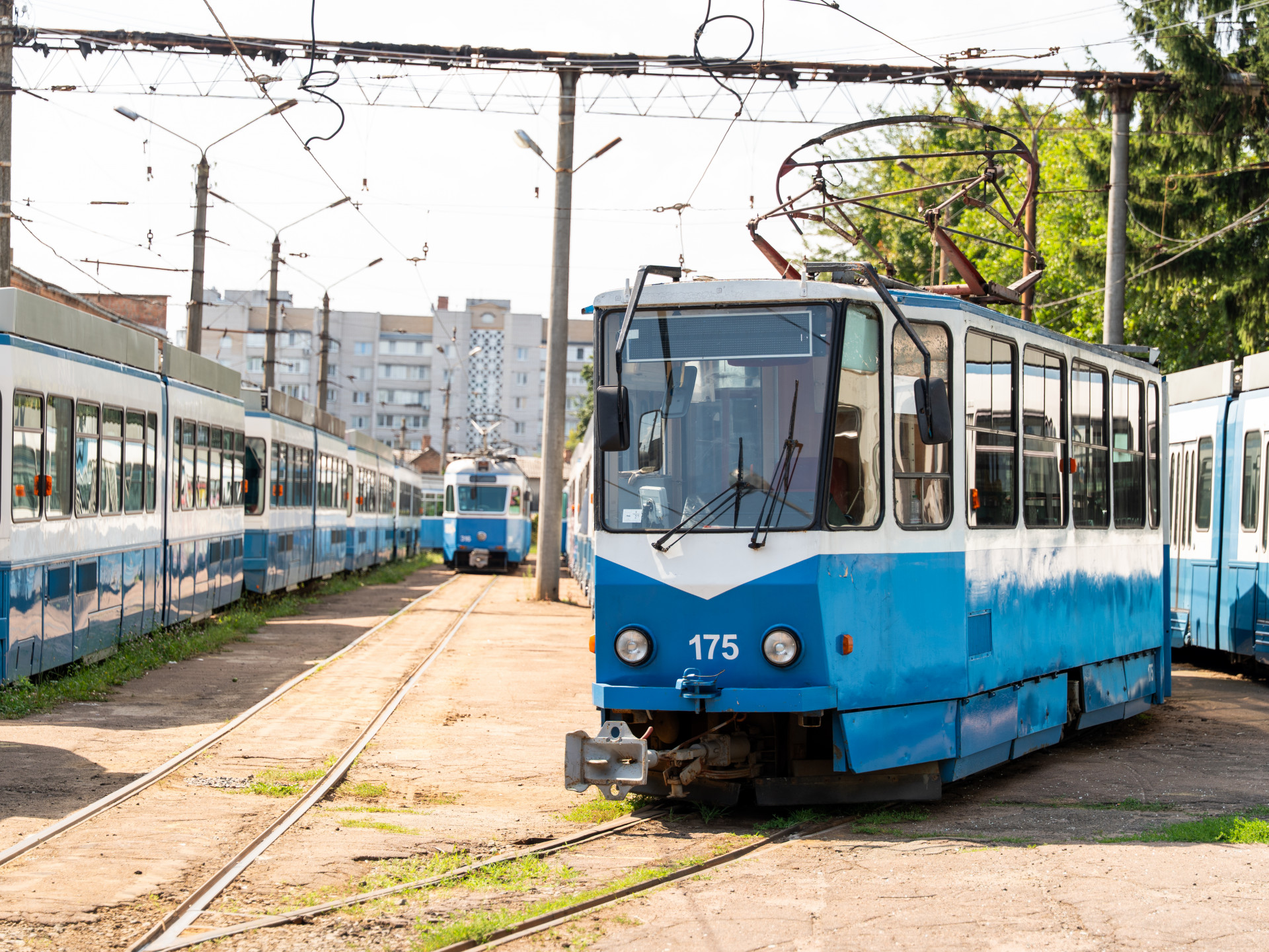
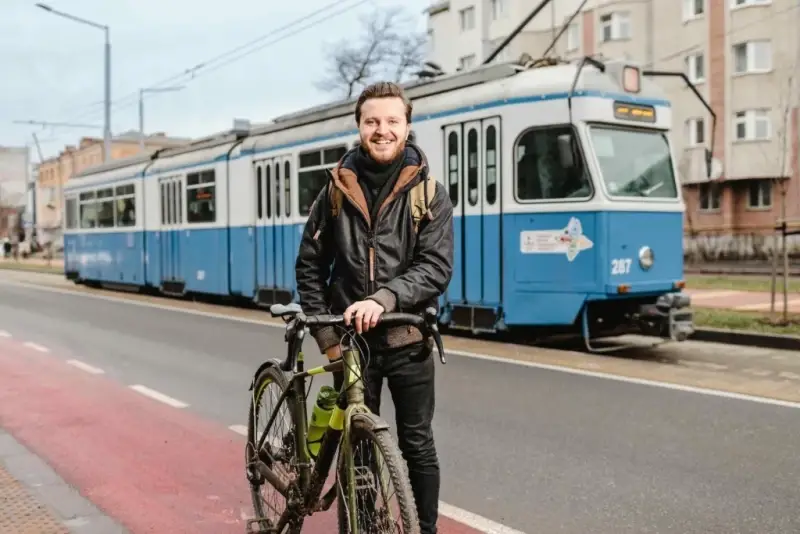
In Vinnytsia in central Ukraine, the tram is the backbone of urban mobility. Its routes connect the city's key districts, and for many locals, taking the tram is just a regular part of everyday life. But if you look closely at the carriages, you will spot a story of international cooperation that spans over two decades. A significant portion of the trams currently running on Vinnytsia's routes originally hailed from Switzerland.
First things first: the big questions
Why do trams have steering wheels? It's not for steering, since trams run on tracks, but for smooth traction control—specifically, accelerating and braking.

What is the lifespan of a single tram? That's a trickier question, as it all depends on how well it has been maintained. For instance, one of the first carriages Switzerland handed over to Vinnytsia two decades ago has already clocked more than 300,000 kilometres navigating the city streets.

All told, over the years, Swiss trams have transported over 600 million passengers in this central Ukrainian city.
default image alt text

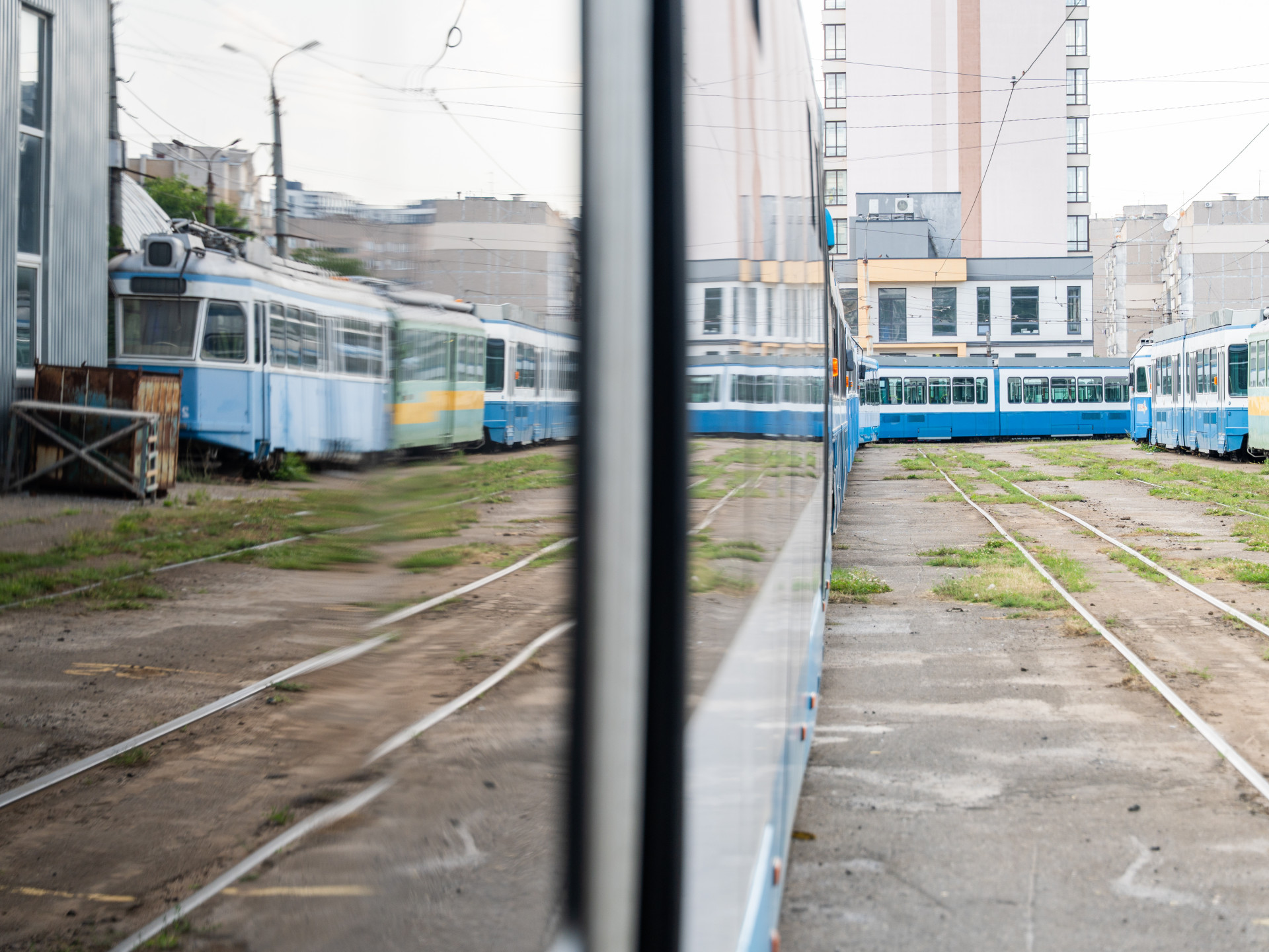
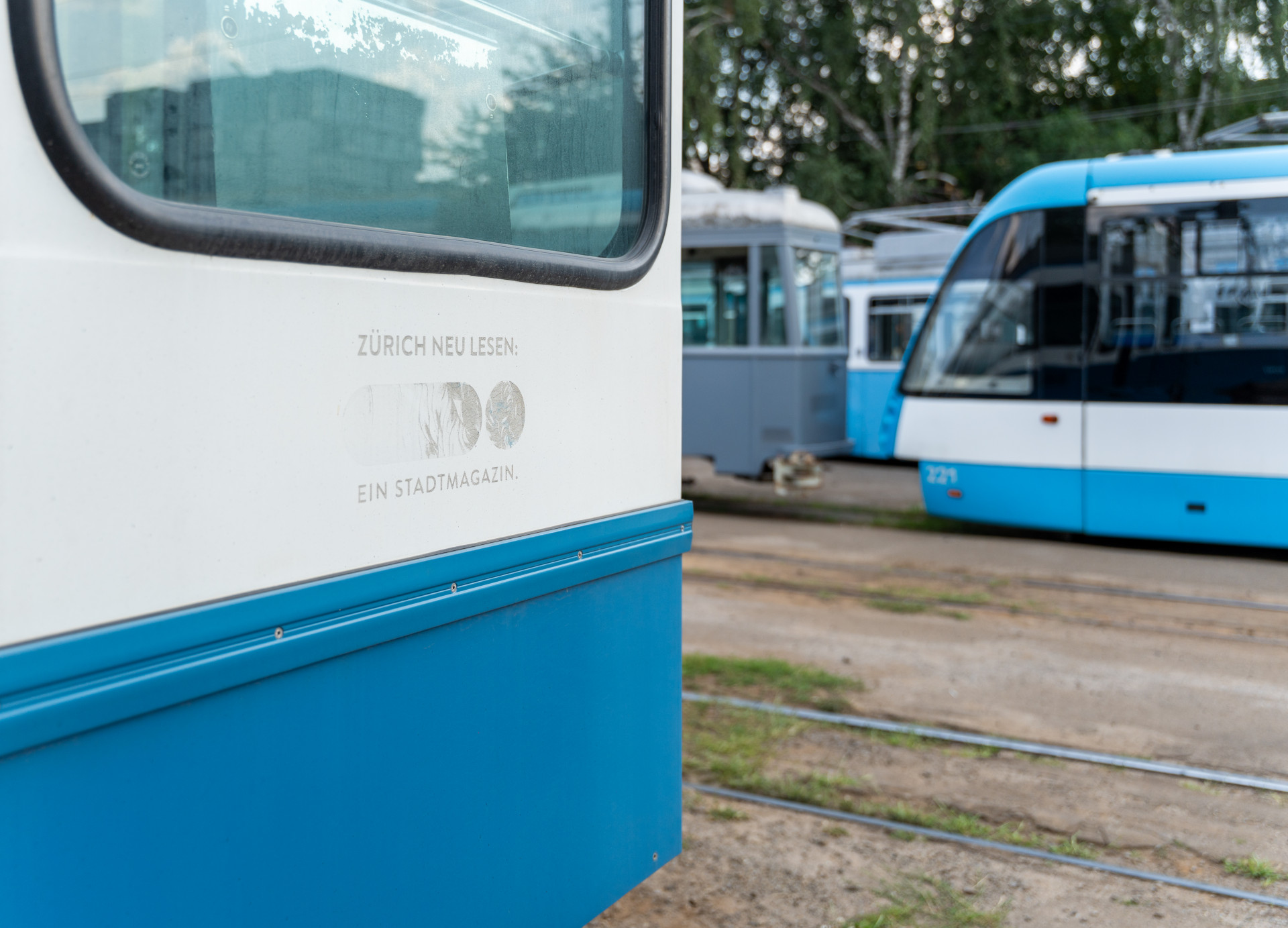
Various generations of trams run on the tracks in Vinnytsia.

default image alt text

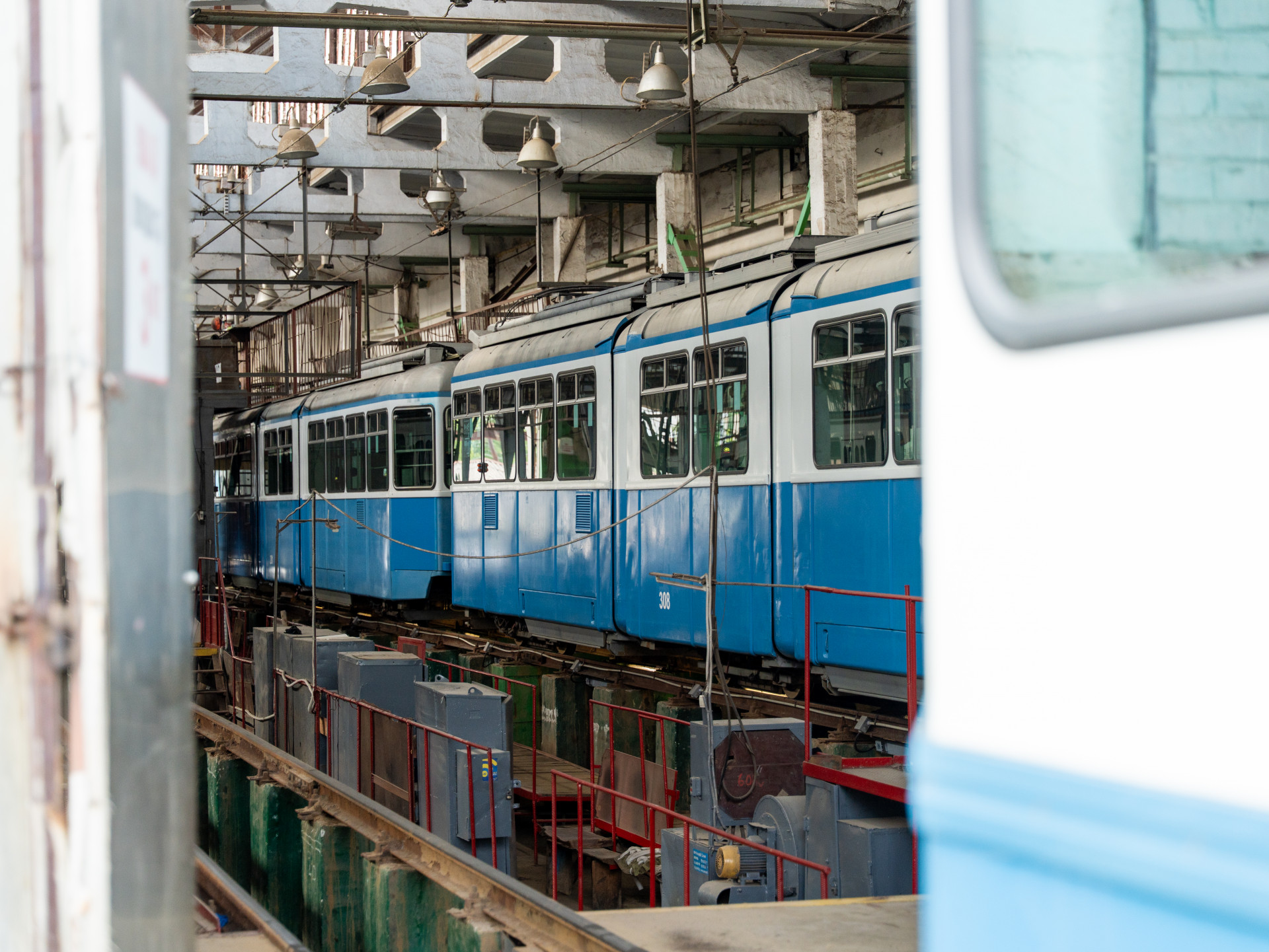
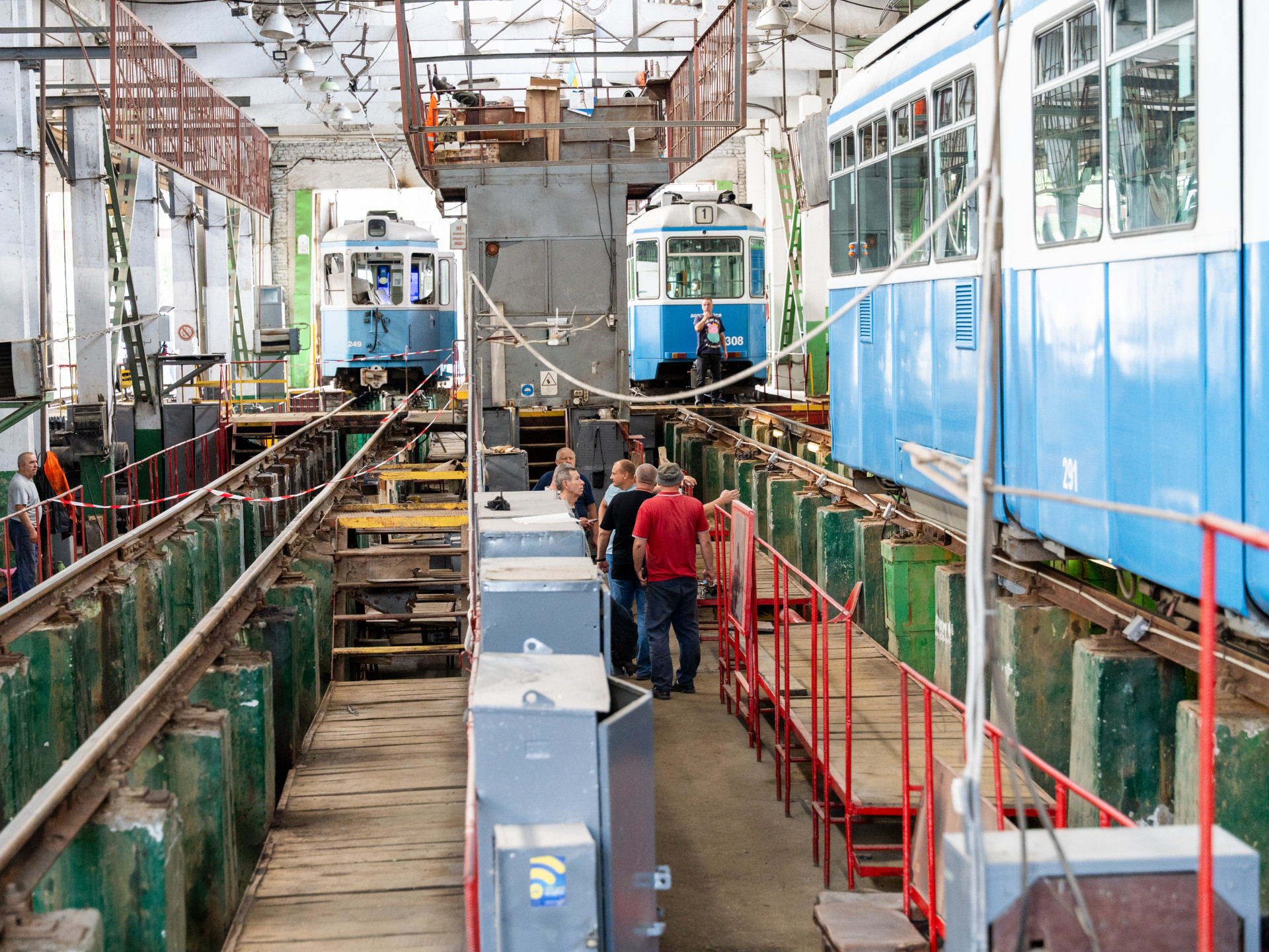
The tram depot, home to all of Vinnytsia's carriages.

The Zurich–Vinnytsia Route
This story kicked off in 2006 when Vinnytsia received 116 "Mirage" and "Karpfen" (Carp) carriages. Zurich gifted all of them to the Ukrainian city completely free of charge, with Swiss experts chipping in to help with training and integrating them into the local transport network. Later on, the city received another 66 carriages from the newer Tram 2000 series.

Ultimately, these became a cornerstone of Vinnytsia's infrastructure. Together with trolleybuses, trams handle 80% of the city's passenger traffic.

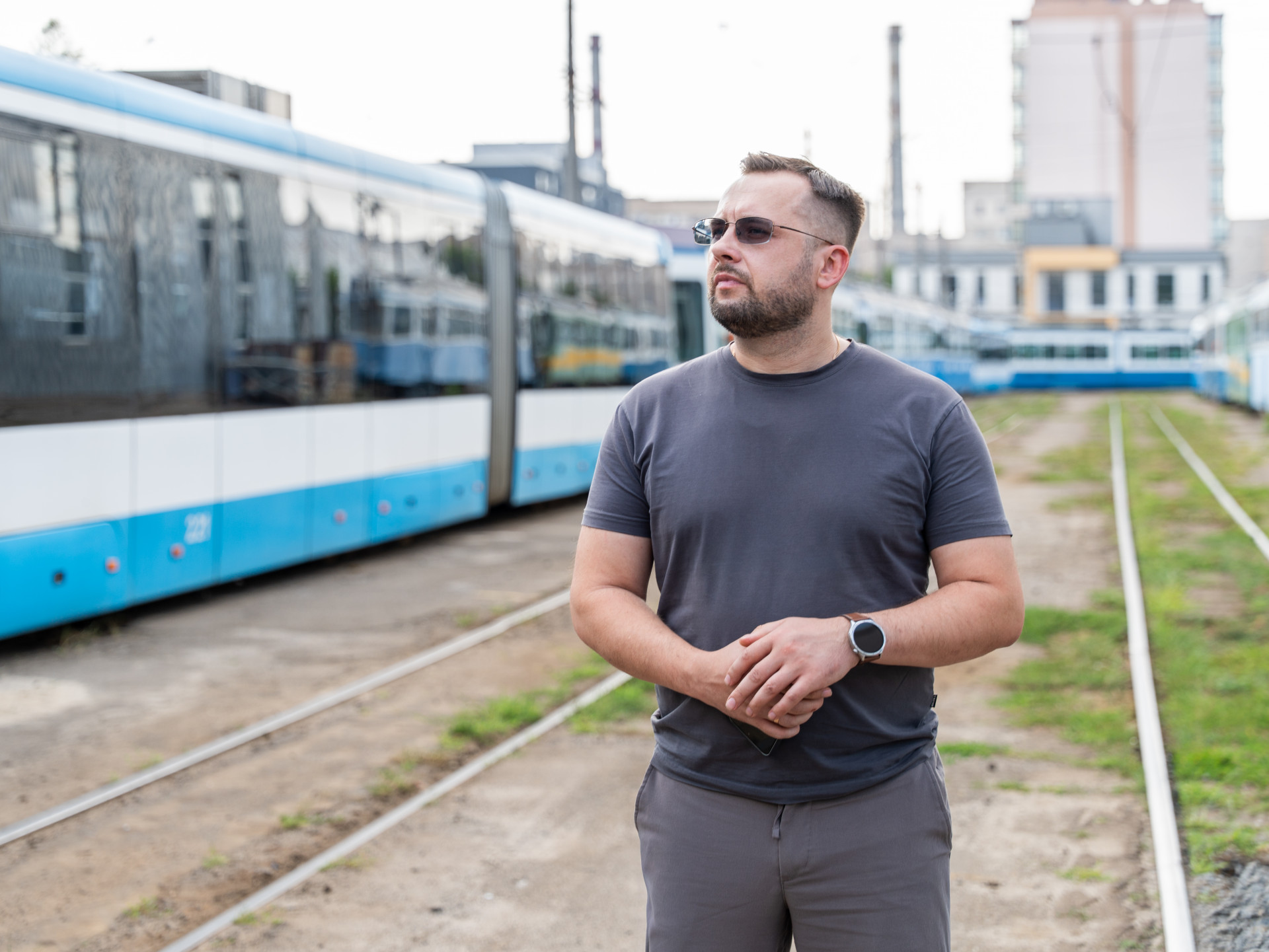
"We have six tram routes, and they play a vital role, connecting all the major districts, running right through the centre, and linking the two banks of Vinnytsia," explains Andriy Sorokin, Director of the Department of Transport and Urban Mobility. "In 2025 alone, trams carried over 19 million passengers."
To accommodate pensioners, wheelchair users, parents with strollers, and other passengers with limited mobility, the carriages are specially retrofitted. To pull this off, the Swiss trams are essentially cut in half, and a custom section — designed right here in Vinnytsia — is inserted into the middle. This transforms the central part of the tram into a fully inclusive entry and exit.

Vinnytsia has now signed the third phase of a memorandum with Switzerland, which greenlights the transfer of 23 Tram 2000 carriages that already feature built-in low-floor barrier-free sections.
 
At the same time, Vinnytsia is revamping its tram stops, aligning them with Swiss accessibility standards. On top of that, Zurich donated tram-washing equipment to the city, meaning the carriages now get a thorough scrub down every week.
  
What started as a simple handover of second-hand carriages has evolved into a much broader project encompassing transport planning, accessibility, maintenance, and an overall shift in how public transit is viewed.

 
The real value of Switzerland's help isn't just that we got high-quality carriages
"It's the fundamental shift in our mindset regarding operations—recognizing the importance of every single piece of rolling stock as a crucial part of the city's mobility," insists Andriy Sorokin.

 
Under the Soviet system, Sorokin notes, the logic was often simple: if it runs, it's fine. The Swiss approach is different: don't wait for things to break down; instead, prioritize proactive maintenance, scheduled repairs, and preventative care.

Vinnytsia’s specialists underwent internships in Switzerland to adopt these very principles. According to Sorokin, this is largely why carriages that have been in service in Vinnytsia for years are still out on the routes today.
Over their years of operation, the Swiss carriages have blended so seamlessly into the urban landscape that they are no longer seen as something foreign. Infrastructure inherited from another country has become woven into the local identity, earning a prominent spot in the city's guidebooks.

"These carriages have practically become one of the city's signature symbols. Even when we were in Zurich, our local colleagues would point to trams on the street and say, 'Look, those are from Vinnytsia!'" laughs Andriy Sorokin.

Furthermore, Swiss trams now have a shot at becoming a symbol of another Ukrainian city: Lviv. As it turns out, these are the cities in Ukraine with a track gauge identical to the one used in Switzerland; almost everywhere else in the country, the tracks are wider. Because of this, since March 2025, Swiss low-floor Vevey trams from Bern, along with Schindler Be 4/8 trams from the canton of Basel-Landschaft, have started hitting the streets of Lviv.
Comfort for All
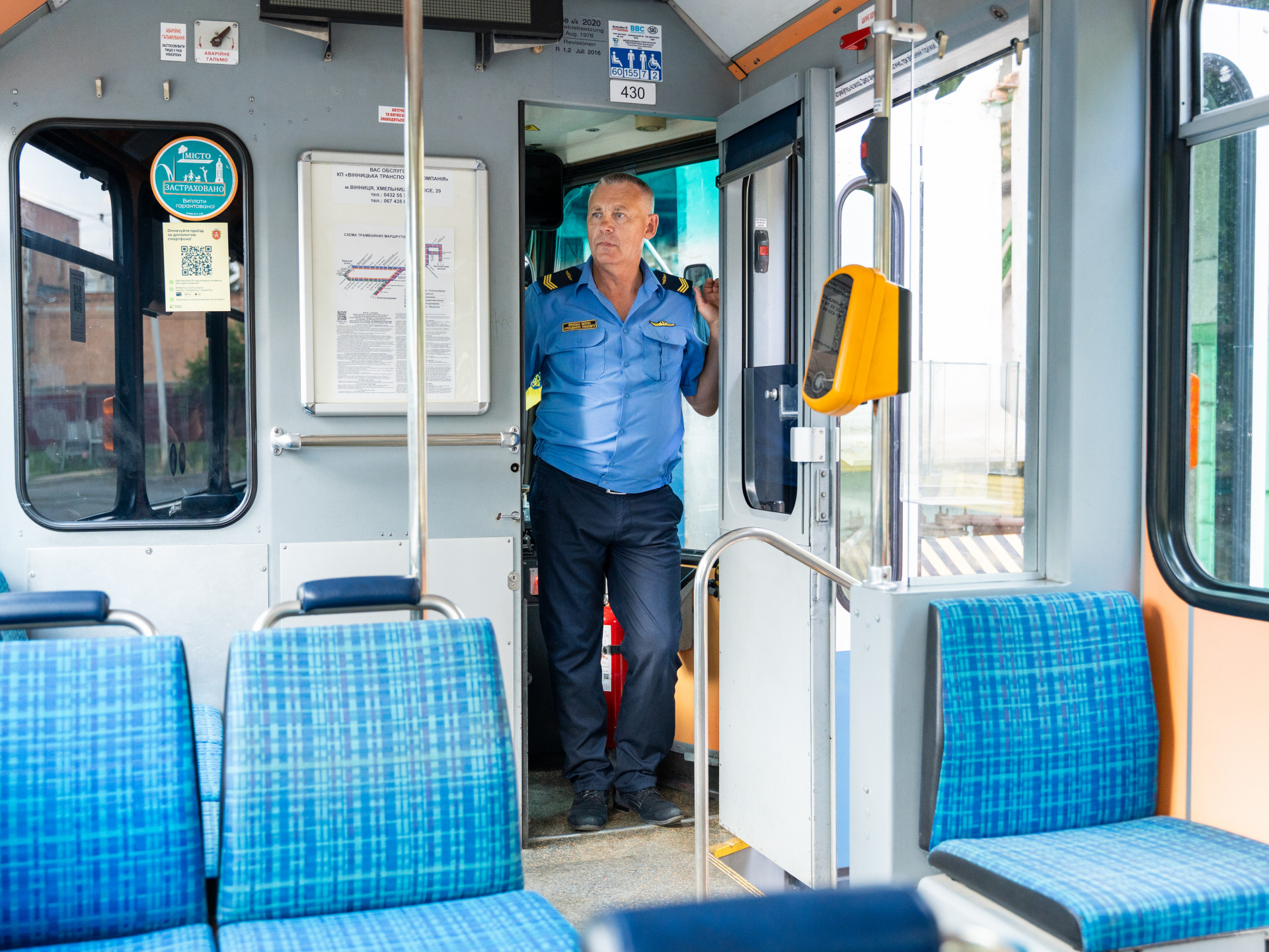
One of the people who knows these trams inside and out is Yuriy Nechyporuk. He joined the Vinnytsia Tram Authority as a young man and has been working as a driver for 35 years.

Over the course of his career, he's driven all sorts of carriages. In Vinnytsia, drivers are cross-trained on every type of tram so they can cover for one another if needed. At first, Yuriy recalls, getting used to the Swiss carriages took some adjustment.

"When we first started operating them, shifting from foot controls—using pedals—to hand controls wasn't easy. But we adapted quickly, finished the training, and in the end, everyone absolutely loved these trams."

Yuriy notes that the Swiss carriages are more comfortable for both passengers and drivers alike. They offer smoother handling, better brakes, and different driving dynamics. Passengers definitely notice the difference too: a smoother ride, less noise, and a more comfortable cabin.

Comfort for passengers and staff, coupled with a fundamental shift in how urban mobility is understood — this is the true legacy of Vinnytsia's collaboration with Zurich.

"Carriages have a lifespan. They can be replaced with new ones. Someday in the future, there might not be any Swiss trams left in Vinnytsia at all.

 
But the knowledge of how to plan a network, how to maintain rolling stock, and how to make public transport truly people-friendly — that will stay with us for a long time.
 And for all of this, we are deeply grateful," says Andriy Sorokin.
 
The Swiss carriages continue to roll along Vinnytsia's routes. For some, it's just a tram that gets them where they need to go in a hurry. For driver Yuriy Nechyporuk, it's a part of his professional life, to which he has dedicated 35 years.

And for Vinnytsia, it's an inseparable part of the city.

Industry, innovation and infrastructure / 9