swiss logo photo
Meet Olesia Milovanova
Olesia Milovanova
[ region ]
Kyiv
02 / 06 / 2026
Director of the Luhansk Regional Museum of Local History
[ topic ] Culture and Tourism
In 2022, the Luhansk Regional Museum of Local History – relocated to Starobilsk in 2014 – had to move for the second time. And this time, it didn't just lose its collection again; it lost its home region.

After evacuating to Lviv, Olesia Milovanova, the museum director who had been personally gathering new artifacts throughout the Luhansk region since 2015, completely reimagined the institution's concept. After all, it could no longer exist in its previous form: the building, collections, and archives remained under occupation. This is how the «Museum in a Suitcase» project was born, featuring objects and stories of people who lost their homes, but preserved their memory. Below, Olesia Milovanova shares, in her own words, the story behind this unique initiative, supported by Switzerland.
Peace, justice and strong institutions / 16
Partnerships for the goals / 17
Until 2014, our Luhansk Regional Museum of Local History housed over 180,000 artifacts. Among them was the largest collection of Polovtsian sculptures in Ukraine — stone statues created by the Polovtsians (also referred to as Kipchaks or Cumans), a Turkish-speaking nomadic people of the Eurasian steppe. The collection included the unique «Chornukhyne Madonna», which is the only female sculpture depicting a child that was not made according to the classical Polovtsian canon. 

When Russian tanks started entering in summer 2014, we supported pro-Ukrainian rallies. But ultimately, the museum, just like the city, remained under occupation. Everyone with a pro-Ukrainian stance was forced to leave their homes. Evacuating the collection was impossible. There were neither packing materials nor the logistics for it. People could barely save themselves. 
 
In 2014, 34 museums in the Luhansk region effectively ceased operations. And within a year, the question arose: what to do with the local history museum? Theaters or philharmonics can be relocated — you give them a space, and people keep working. But not a museum. It was decided to rebuild it on the basis of the Starobilsk Museum in the Luhansk region, where I was a researcher and later became the director. 
 
It was true crisis management. How do you relocate an institution? How do you register it? How do you document the property? At that time, there were no blueprints or protocols. So, I started developing a plan for the museum's restoration myself. 
 
I had a mission: to create a museum that would tell the story of the entire Luhansk region. We started gathering materials from scratch. Eventually, we travelled house to house across the frontline territories of the Luhansk region and collected about 5,000 artifacts: embroidered towels, traditional costumes, photographs, and dishware. Right before 2022, we were actually preparing to open the new museum. But then, the full-scale invasion began. 
default image alt text

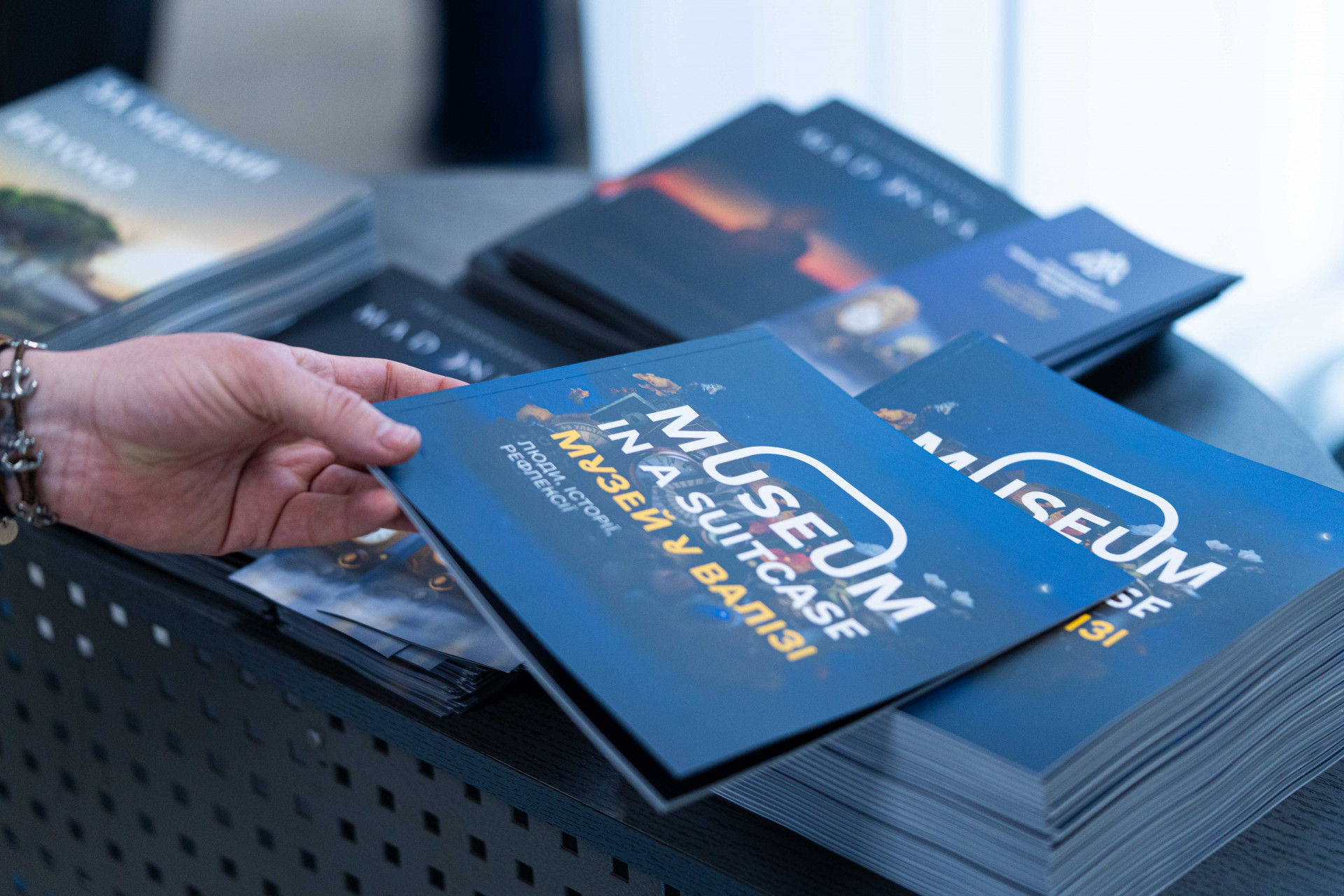
Printed materials prepared by the Luhansk Regional Museum of Local History.

The evacuation of a museum is a complex procedure. I am not legally allowed to just grab a museum piece and save it, or to transport an object without all the necessary paperwork. 
 
One museum worker evacuated a unique ethnographic collection — embroidered shirts and dresses that exist nowhere else in Ukraine. She bought checkered woven bags at the market and packed them in there. In other words, instead of her own belongings, she evacuated museum artifacts. 
 
The Russians moved in quickly. We found ourselves under occupation. I decided to leave for Lviv with my child, where acquaintances were waiting for me at the «Territory of Terror» museum, a memorial complex in Lviv dedicated to the victims of the Nazi and Soviet totalitarian regimes of the 20th century. So, I had to come up with a new blueprint for the museum's survival all over again. But how can a regional history institution function when it has lost its region? 
We completely reimagined the idea and became an example of a museum that continued to exist as an institution without walls and without a collection. That was when we realized: a museum is, first and foremost, the people who carry the cultural code and knowledge within them.
Ultimately, we decided that we should become a centre for the memory and cultural heritage of the Luhansk region. And soon, people from the eastern and southern regions, who had also survived the loss of their homes, began to gather around us. 
 
We began telling the story of the Luhansk region: about its scientists, its steppes, culture, traditions, cuisine, weddings, and funeral rituals. And through these stories, we tried to make people fall in love with the region, to explain that it wasn't just us, but all Ukrainians who lost the Luhansk region as a part of their shared heritage. 
default image alt text

default image alt text

Our cooperation with Switzerland began in 2023 when I was invited to speak in Geneva at a forum on cultural heritage during wartime and museums under threat. Then, the University of Fribourg (also in Switzerland) offered to collaborate on a project. That is how our first traveling exhibition about the Luhansk region, the museum, the war, and evacuation came to be. 
 
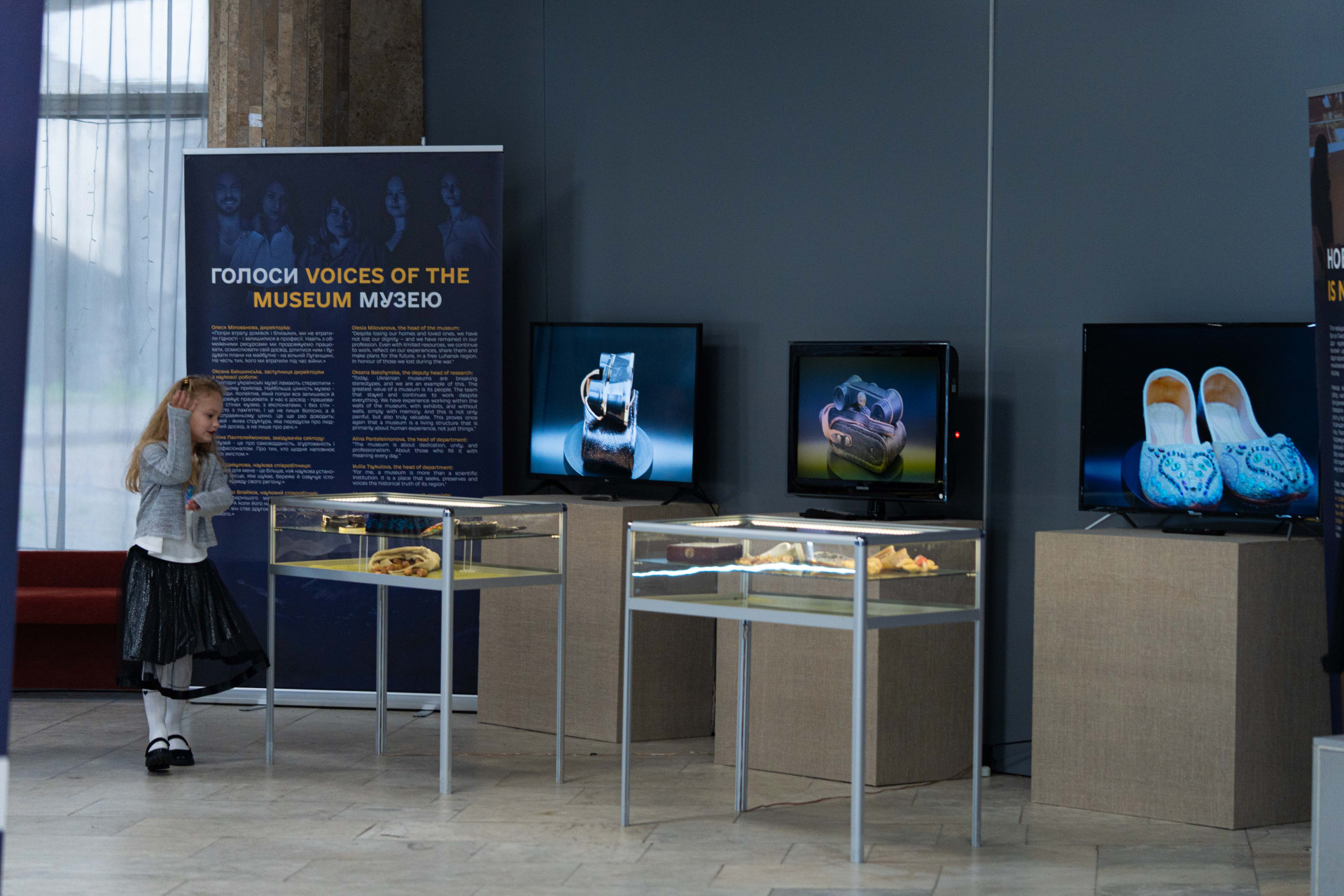
Later, we held an even larger exhibition at the University of Geneva. It was a fully immersive space with objects, projections, sound, and maps. And in the centre stood a television screen where each museum worker told their story: how they evacuated, how they saved the museum, how they survived. 
default image alt text

A visitor at the «Museum in a Suitcase» exhibition.

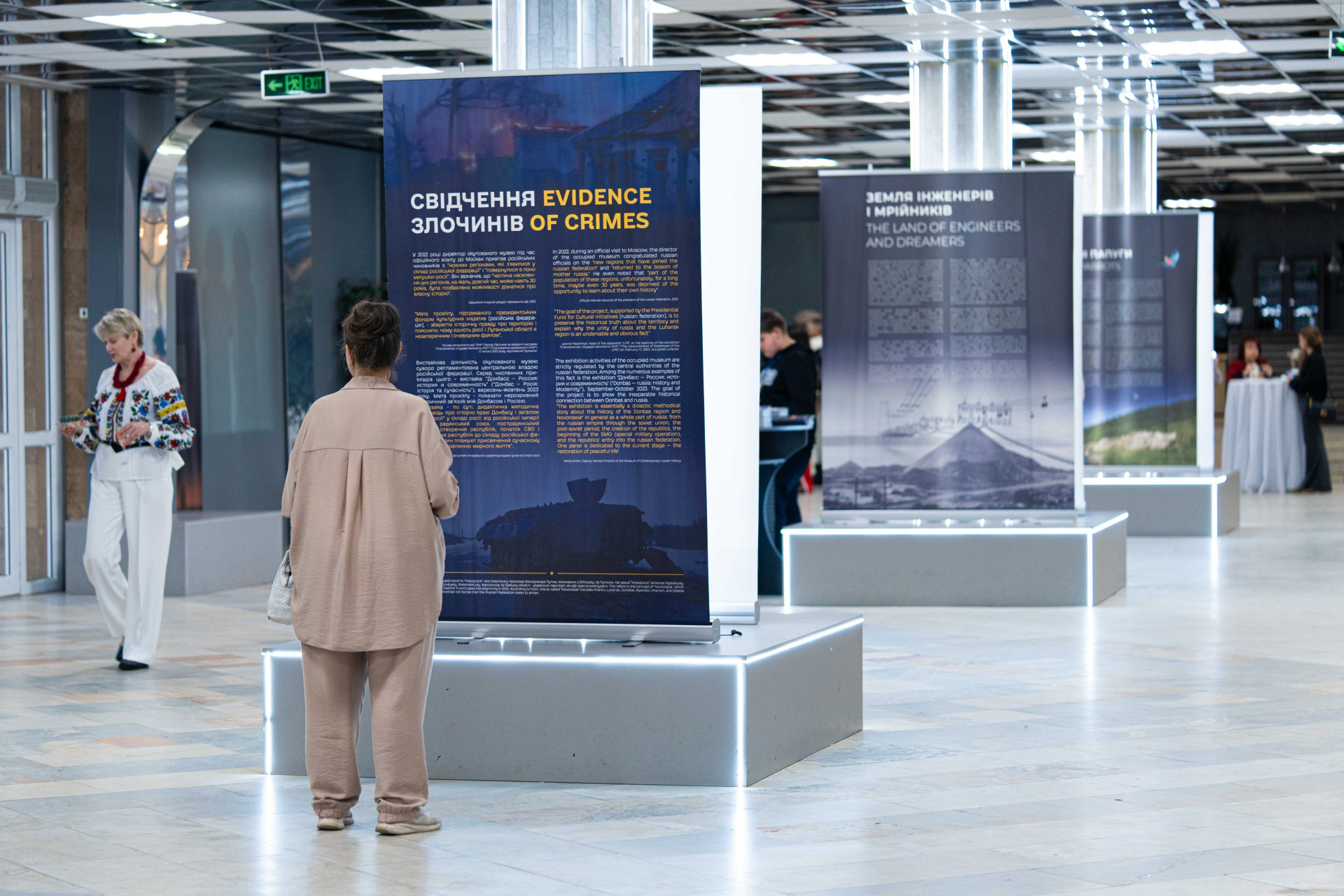
And when we returned to Kyiv, we decided to approach the Embassy of Switzerland in Ukraine. We wanted to adapt the experience and the exhibitions we had shown in Switzerland for a Ukrainian audience. In Fribourg, it was the «Museum on the Line of Fire»; in Geneva, «Rebirth During the War»; and in Ukraine, the «Museum in a Suitcase» as a continuation of the story of a museum on the move, literally carrying its memory in suitcases. The Embassy supported us. 
 
In this new project, I wanted to show more than just embroidered towels or household items, but something deeper — to offer a glimpse into the the soul of the Luhansk region. So, we started talking about things people usually stay silent about: our steppe culture, our beliefs, or even such a specific aspect as magical practices. Now, this project continues to live and transform. Our catalogues are already heading to The Hague, and we continue to showcase the Luhansk region both abroad and in Ukraine. 
 
Yes, we continued to collect objects and essentially build a new collection. Along with this, another important area of work was born. When people started handing things over to us, they did not just bring an object; they told its story: why they took that specific item with them, how they evacuated. And at a certain point, I realized: for us, the object and the human story no longer exist separately. Previously in museums, this was always divided. There is an artifact and is its dry description: size, material, colour. And the oral history of a person is a separate archive. For us, the two have merged. 
 
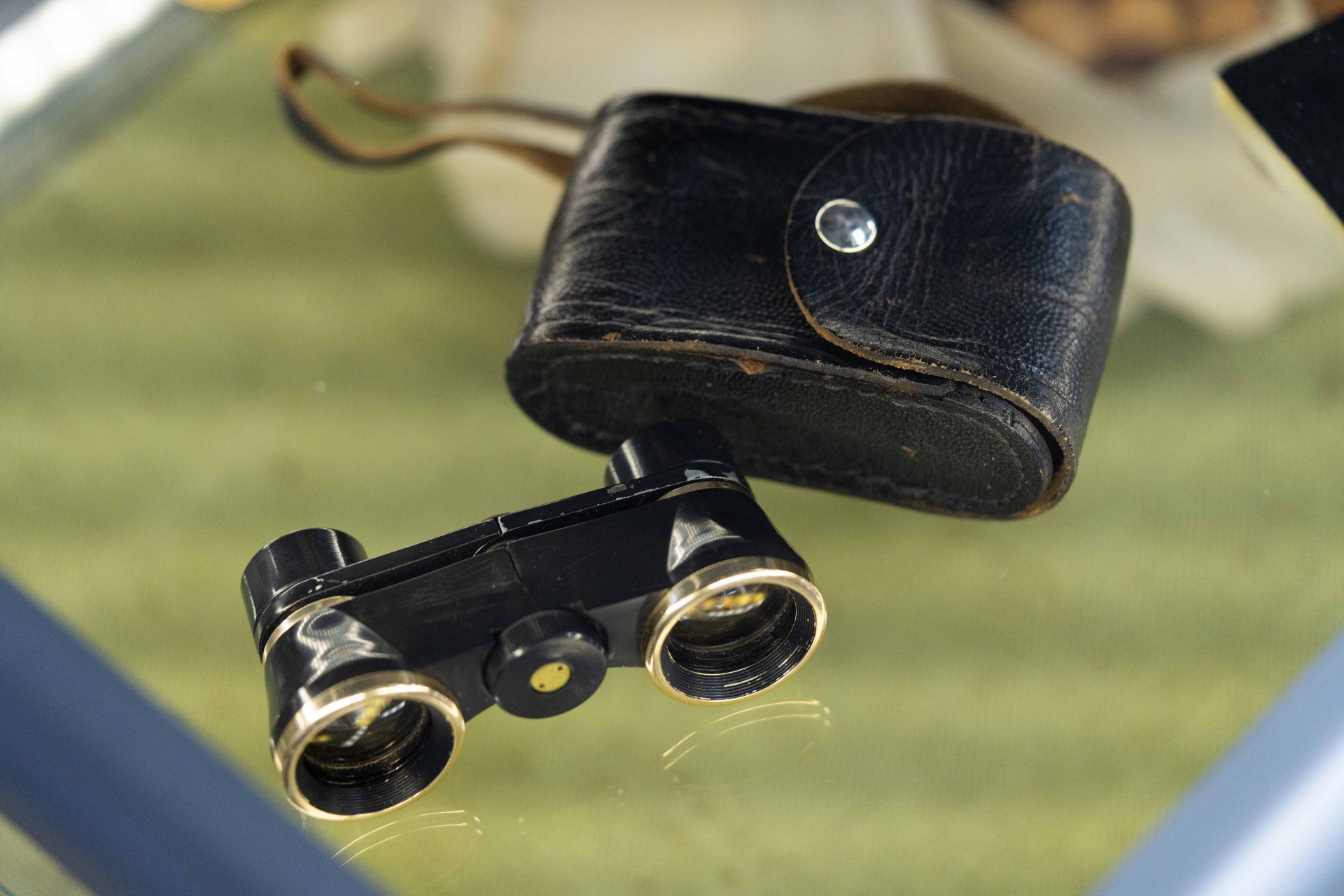
There was a woman who had already survived the 2014 occupation, left Sievierodonetsk, and then evacuated for a second time after the full-scale invasion. She worked in a theatre. After her first move, she struggled to find her footing for a long time, but eventually returned to the theatre. She gave us her opera glasses. It might seem like just a pair of binoculars. But behind them is a person's entire life story. 
default image alt text

The opera glasses, which, along with their owner's story, became part of the new museum.

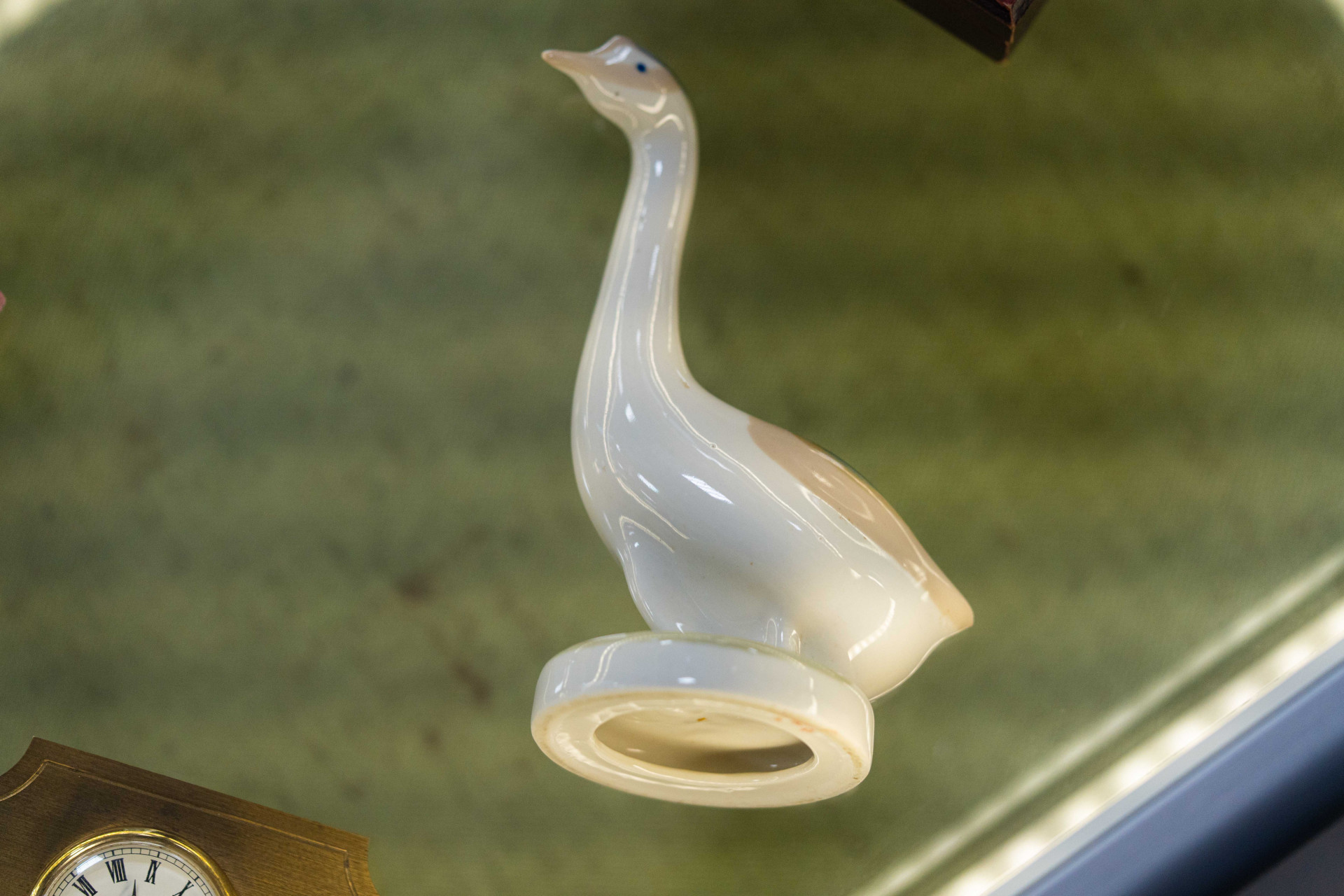
That is why we now work not only with objects but also with videos, recorded memoirs, and oral histories. These include photographs, family albums, dishware, and jewellery. For example, we have a little goose, a small decorative figurine. 
 
In the Luhansk region, there is a tradition of leaving a small space between double window frames and decorating it by laying down cotton wool, placing herbs, and arranging figurines. And this little goose had sat in a grandmother's kitchen window for decades. Then the invasion began, and the house was hit. The woman came there with her backpacks. Everything was shattered, covered in dust, but the little goose was still standing. And she says, «I took it and a family photo. Everything else burned.» 
default image alt text

The ceramic little goose — one of the few things left in the entire house after the shelling.

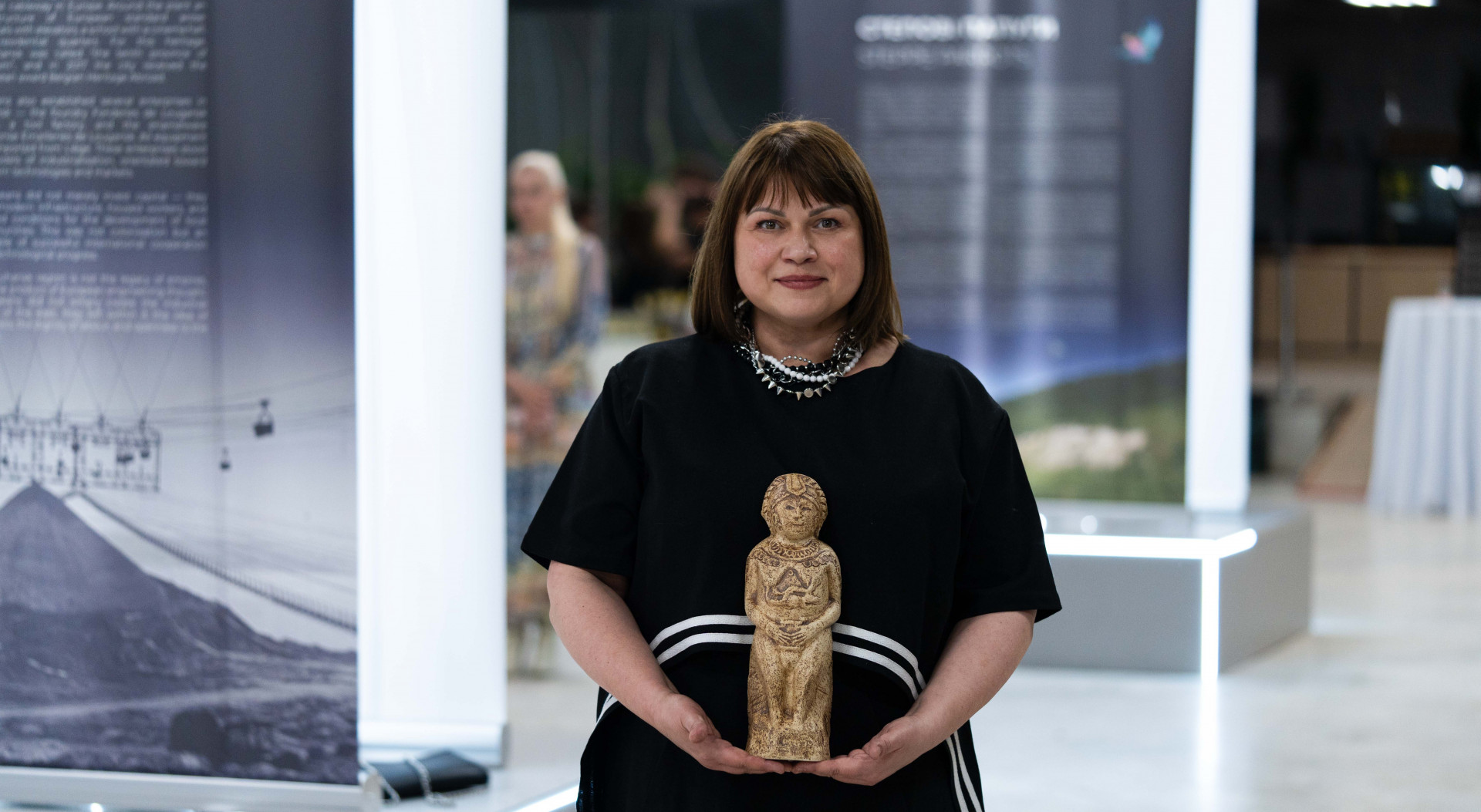
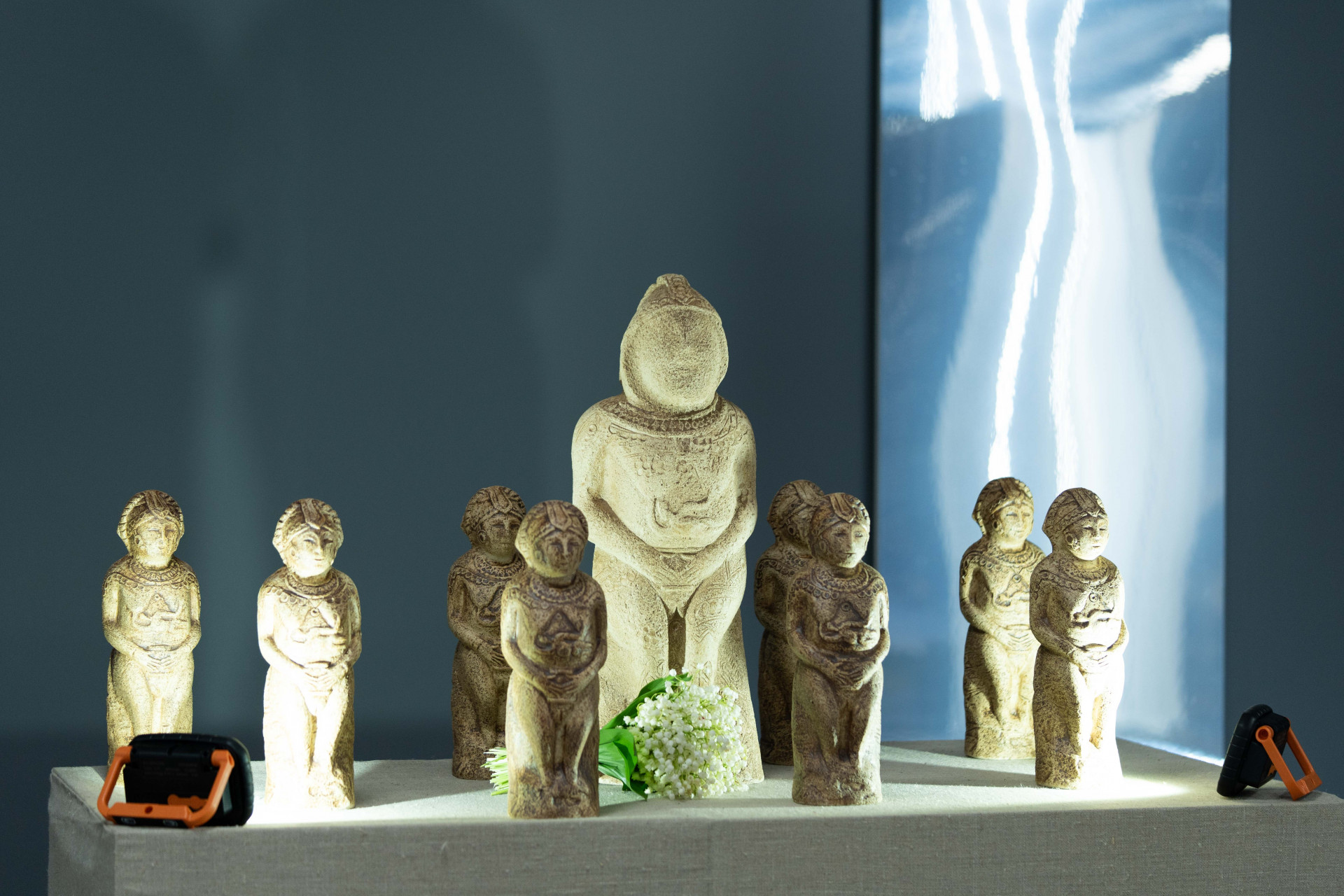
Of course, I want to specifically highlight the Chornukhyne Madonna. It is our sacred relic. And for this project, we recreated it. It is 21 cm tall here, whereas the original is one meter thirty. 
 
At the closing event of the «Museum in a Suitacse», photographer Oleksandr Vovchanskyi,a teacher, journalist, photographer, and active participant in the pro-Ukrainian rallies in Luhansk in 2014, announced that he was donating 7,000 photographs to the project. These make up a unique photographic chronicle of events in Luhansk. For our region, this is an incredible scientific source for studying and preserving regional history. 
 
Right now, I want to negotiate with the National Technical University of Ukraine «Igor Sikorsky Kyiv Polytechnic Institute» so they can give us at least a small space on campus. Perhaps we could manage to create a Luhansk Region Cultural Heritage Centre. It's a plus for them, too. We have a lot of foreigners, diplomats, museum professionals, and embassy representatives coming to see us. This is great for the university's image. And we really need at least a couple of offices so we can say: the Luhansk Museum is right here. 
Through all these stories, through the people, and through the exhibitions, I realized something: a home is a living organism. We take care of it, we talk about it, we love it.
And losing a home is like losing a loved one. That is why I dream of a large cultural heritage centre. So that everyone knows: right here is the Luhansk region. Right here are the people who are preserving their homeland. 
 
Even when we return to rebuild the Luhansk region, I think the centre should still remain here. As a memory of what we lived through. About the war, the loss, and how we managed to preserve ourselves. 
 
default image alt text

Replicas of the Chornukhyne Madonna at the «Museum in a Suitcase» exhibition.

Peace, justice and strong institutions / 16
Partnerships for the goals / 17
after
24 feb 2022
What else is Switzerland doing for Ukraine?
Switzerland has been assisting those impacted through various means – from humanitarian aid, humanitarian demining and financial support to granting protection status S to individuals from Ukraine seeking refuge. By 15 February 2024, the Swiss federal government had spent a total of around 3 billion Swiss francs to support Ukrainian refugees in Switzerland and people in Ukraine.

In 2022, Switzerland organised the first Ukraine Recovery Conference in Lugano and launched the political process to help Ukraine rebuild. The Summit on Peace in Ukraine, held in Switzerland in 2024, set up a path towards a just and lasting peace in Ukraine. In the longer term, the Federal Council aims to allocate 1.5 billion Swiss francs to support Ukraine's recovery efforts by 2028.
organic farming
energy efficiency
search for missing persons
food security
culture
tourism
diplomacy
peace process
health
psychosocial support
protection
education
gender equality
sustainable cities
water access
human rights
demining