swiss logo photo
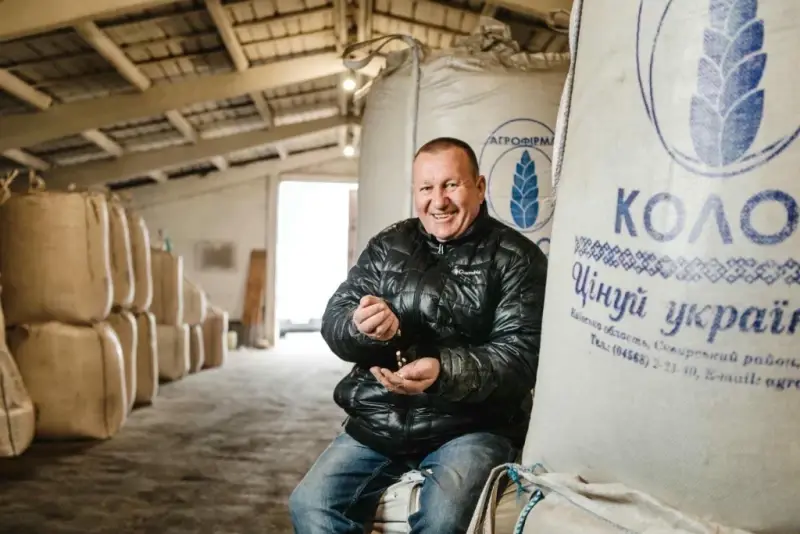
Meet Viktor Shcherbachuk
Viktor Shcherbachuk
[ region ]
Rivne
28 / 07 / 2026
Сo-owner of an organic agricultural company
[ topic ] Food Security and Organic Farming
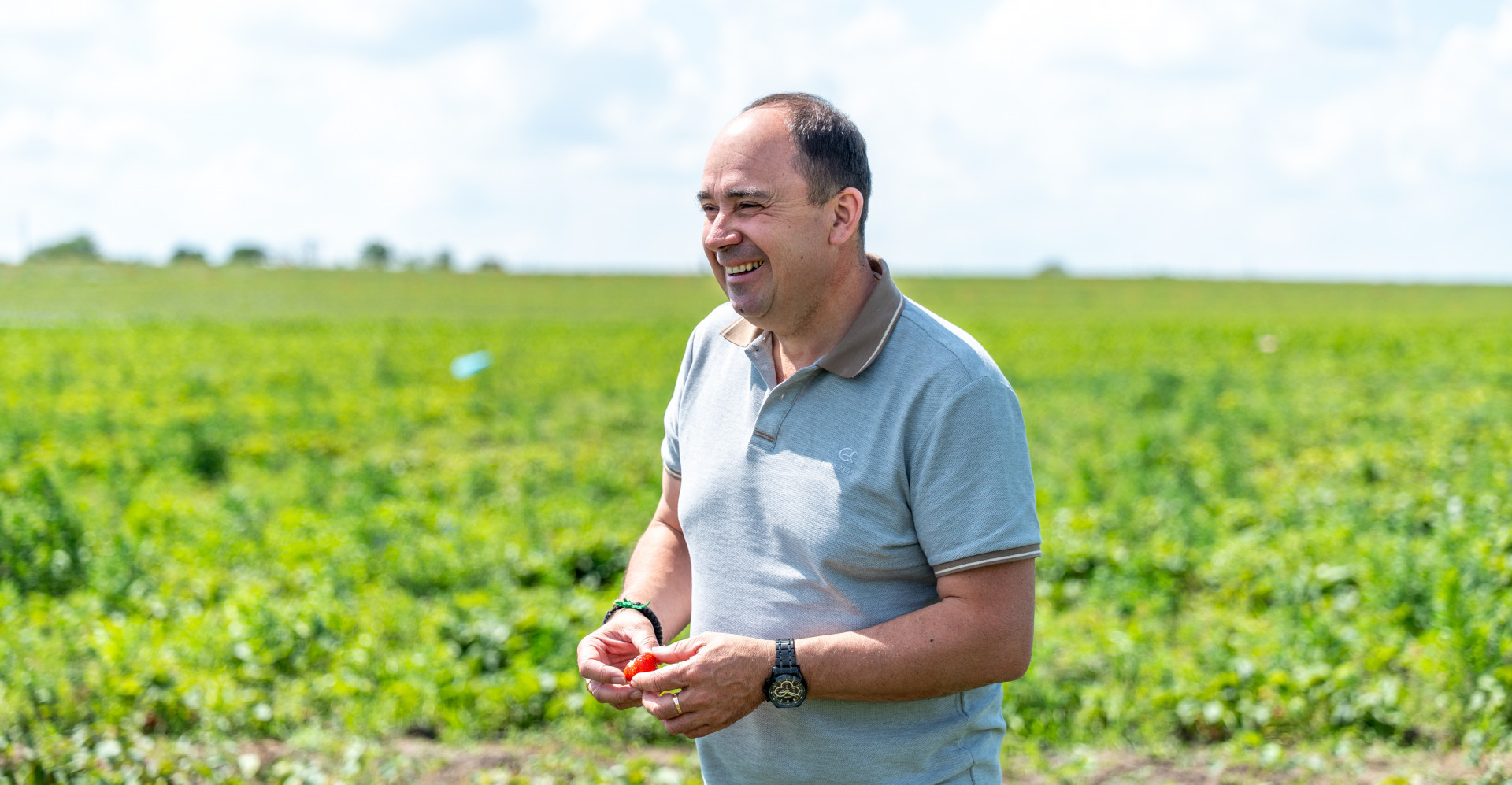
Viktor Shcherbachuk is the co-owner of an organic agricultural company in the Rivne region. Today, this enterprise exports thousands of tons of produce to Europe, provides jobs for residents of surrounding communities, and creates value-added products right here in Ukraine.

Thanks to Switzerland's support, the company has launched its own quick-freezing facility for berries—an investment not only in production but also in the development of the local economy.
Zero Hunger / 2
Decent Work and Economic Growth / 8
"My background is in agronomy, but my PhD thesis focused entirely on traditional agriculture, not organic farming. That’s why, in the beginning, grasping the philosophy of organic growing wasn't easy. It took three or four years for a deep realization of how it works to truly set in. Organic farming is our health and our future. We must do this for the sake of the entire planet, as humanity has already polluted the land far too much."

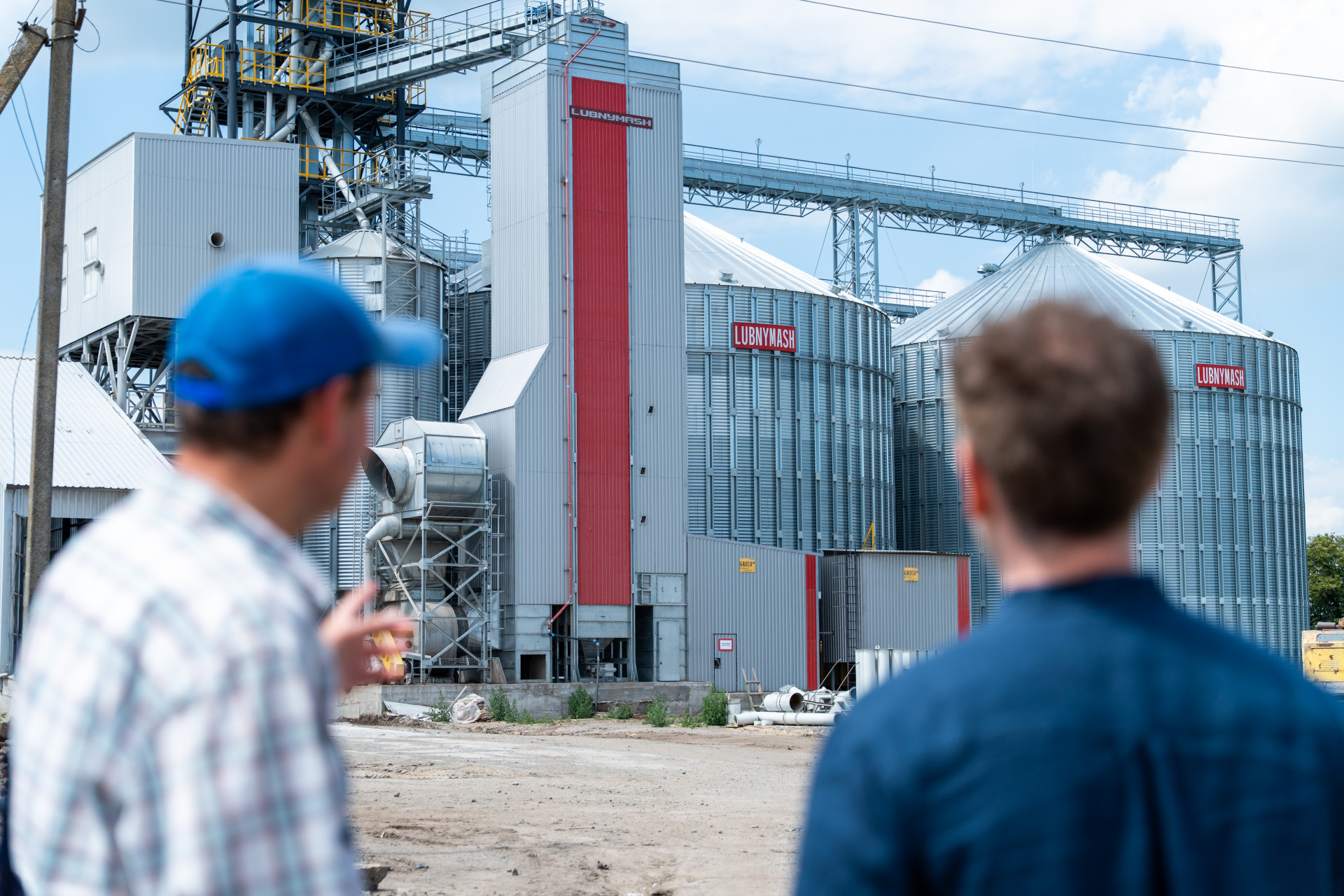
Viktor's companies grow a variety of crops. His temporary office is located right next to a massive grain elevator, which was built in a matter of months and recently commissioned. Overall, the entire facility is bustling with activity, with construction and agricultural machinery constantly on the move.

 
default image alt text

The elevator is already fully operational, ensuring more efficient handling of grain crops.

Berry farming was initially viewed more as a social project.

"I wanted villages to have jobs so that people could earn a living close to home. Only over time did we realize this could be a full-fledged business, and we began expanding the plantations. Currently, we have planted 28 hectares of strawberries, 8 hectares of raspberries, and 18 hectares of currants. This autumn, we plan to plant another 20–30 hectares of strawberries, and in three years, we aim to reach 350 hectares of berry fields in total."

 
For the communities of the Rivne region in Northwestern Ukraine, this means more than just new plantations; it means work close to home.
During the full-scale war, relatively safe regions are increasingly driving production development, as they offer a viable environment for opening new enterprises and creating jobs. Expanding the berry fields not only boosts export volumes but also ensures stable seasonal and permanent employment for locals.
 
However, the path to organic farming was never easy.

"There is no business without mistakes. Our biggest misstep in organic farming was venturing into highly niche crops that we didn't fully understand – flax, chickpeas, mustard, and coriander. We were the first to produce organic sugar in Ukraine. But the catch is that organic farming does not forgive delays. In traditional farming, you spray a field with herbicide, and the weeds are gone. In organic farming, if you miss just one critical day, that's it – fixing the situation becomes incredibly difficult."

Furthermore, transitioning to organic is expensive. It takes time and effort to detoxify the soil and implement new operational standards. While the transition period cost a farmer $500–$800 per hectare between 2013 and 2017, that figure has now reached $1,000.

 
default image alt text

default image alt text

"Why did we choose this harder path? Because it is the right one. You have to be honest with yourself and the consumer. European certification bodies visit us constantly, taking unannounced samples of soil, leaves, and produce. We simply do not use banned chemicals. As a result, we are certified under the European standard Naturland."

Previously, the harvested berries had to be transported to various third-party freezing facilities in Lutsk or Zhytomyr region. This meant high logistics costs, the risk of spoilage, and difficulties in dispatching exports on time. To solve this, in May 2025, the company opened its own quick-freezing facility.

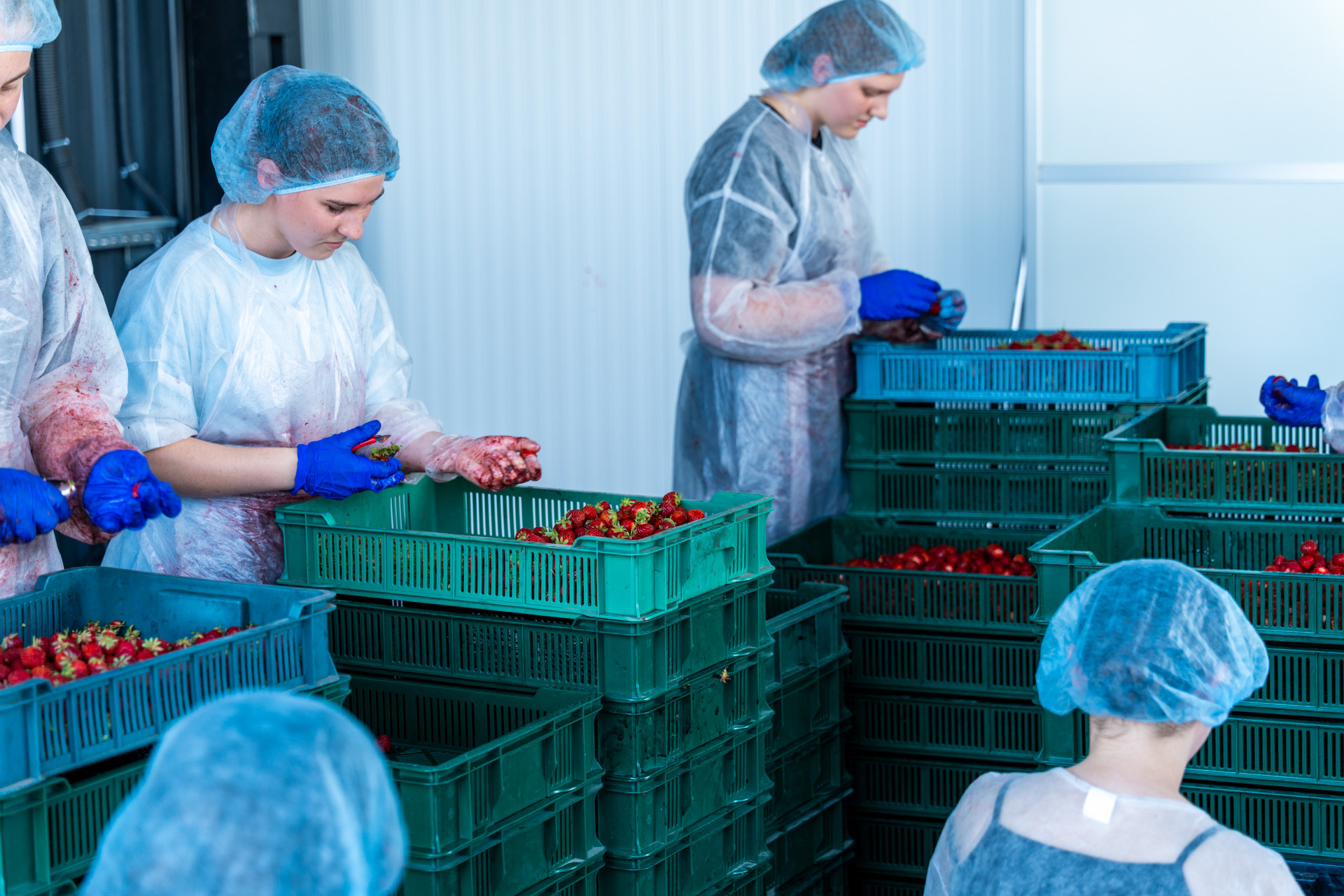
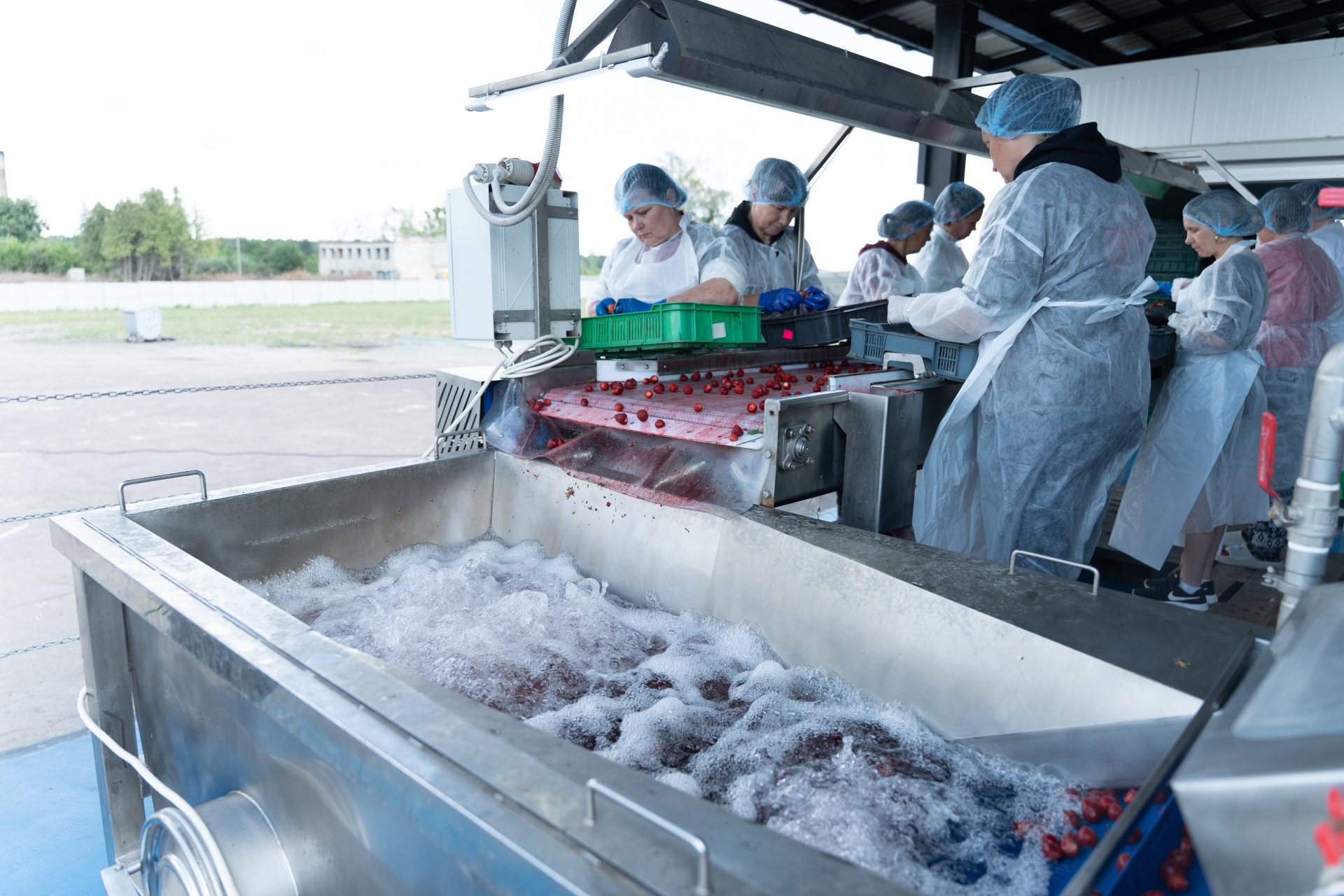
The facility is a complete complex. Outside, employees wash and sort the berries on a specialized conveyor. Inside, there are cold storage rooms with temperatures dropping to -20°C and even -32°C, housing dozens of crates of frozen berries ready to be loaded into trucks for export.

 
Switzerland helped us immensely with all of this.
"We received a grant of 100,000 Swiss francs (about 5.5 million UAH), which enabled us to build the much-needed freezing and storage capacities. For us, this support is a colossal boost. Having our own freezing facility means a much larger share of the production process now happens on-site. This translates to additional jobs, more taxes for the local community, and the ability to export products with higher added value, rather than just raw materials." 
default image alt text

default image alt text

The construction of the facility is part of a broader project supported by Switzerland under the Organic Trade for Development in Eastern Europe (OT4D) program. The program's goal is to promote organic farming as part of the solution to global environmental challenges, while leveraging it to drive economic growth and innovation.

Beyond production infrastructure, the project includes: training programs for farmers, university students, and schoolchildren; establishing an educational hub and disseminating modern organic agricultural practices. The core idea is not just to grow a single enterprise, but to cultivate an entire ecosystem for organic berry farming in the region.

"Schoolchildren and university students constantly visit us for excursions and internships. Why is this important? We need to spark their interest in working here, because without human capital, we cannot rebuild the economy or defend the country. When students visit, they see state-of-the-art equipment."

 
We want to show the younger generation that it is entirely possible to build a modern, European-level enterprise right here in Ukraine.
For smaller communities, this is a vital strategy for retaining young professionals. Having a modern enterprise nearby provides a tangible alternative to migrating to big cities or moving abroad. 
default image alt text

The technological process of washing and sorting berries.

The company even provides its own scholarships to student interns, many of whom return as full-time employees after graduation.

And there is plenty of work to go around. Viktor Shcherbachuk notes that the company has aggressive expansion plans.

"We are already clearing the area next to the freezing facility to build our own railway terminal. This will allow us to load containers directly at our enterprise and transport them to Europe without needing to reload at the border. Given our large volumes, this will save us 10 to 20 euros per ton."
 
Additionally, a design for a freezing complex with an 800-ton storage capacity is already underway. Plans are also set for an in-house sunflower oil processing plant, apple concentrate production, and extensive vegetable storage warehouses. Viktor summarizes it simply: these are not dreams, but concrete plans. If realized, they will mean far more than just corporate expansion – they will bring new jobs to the community and allow the Ukrainian agricultural sector to keep the entire production cycle within its borders.

"Ultimately, a person always chooses what their soul desires. When you walk out into the field, you feel an incredible unity with nature. I wouldn't trade that for anything."


default image alt text

At the entrance to the site with the freezing plant and the future railway terminal.

Zero Hunger / 2
Decent Work and Economic Growth / 8
after
24 feb 2022
What else is Switzerland doing for Ukraine?
Switzerland has been assisting those impacted through various means – from humanitarian aid, humanitarian demining and financial support to granting protection status S to individuals from Ukraine seeking refuge. By 15 February 2024, the Swiss federal government had spent a total of around 3 billion Swiss francs to support Ukrainian refugees in Switzerland and people in Ukraine.

In 2022, Switzerland organised the first Ukraine Recovery Conference in Lugano and launched the political process to help Ukraine rebuild. The Summit on Peace in Ukraine, held in Switzerland in 2024, set up a path towards a just and lasting peace in Ukraine. In the longer term, the Federal Council aims to allocate 1.5 billion Swiss francs to support Ukraine's recovery efforts by 2028.
organic farming
energy efficiency
search for missing persons
food security
culture
tourism
diplomacy
peace process
health
psychosocial support
protection
education
gender equality
sustainable cities
water access
human rights
demining