swiss logo photo
[ Water, Sanitation and Hygiene ]
11 / 10 / 2026

From Emergency Response to Resilience: How Switzerland Is Helping Restore Water Supply in Southern Ukraine

-
By -
From Emergency Response to Resilience: How Switzerland Is Helping Restore Water Supply in Southern Ukraine
After the destruction of the Kakhovka Dam in June 2023, hundreds of thousands of people in southern Ukraine were at risk of losing access to drinking water. Switzerland initially responded with water tanks, water trucks, pipes and pumps. Over time, together with Ukrainian specialists, the focus shifted towards systemic recovery: assessing the networks, providing new equipment and relocating the water intake to a safer area. This is how emergency assistance gradually evolved into long-term work to strengthen the resilience of the entire water supply system. 
This is an opportunity to live. For the region, for the people, for the workers. It is a real opportunity to have a future.
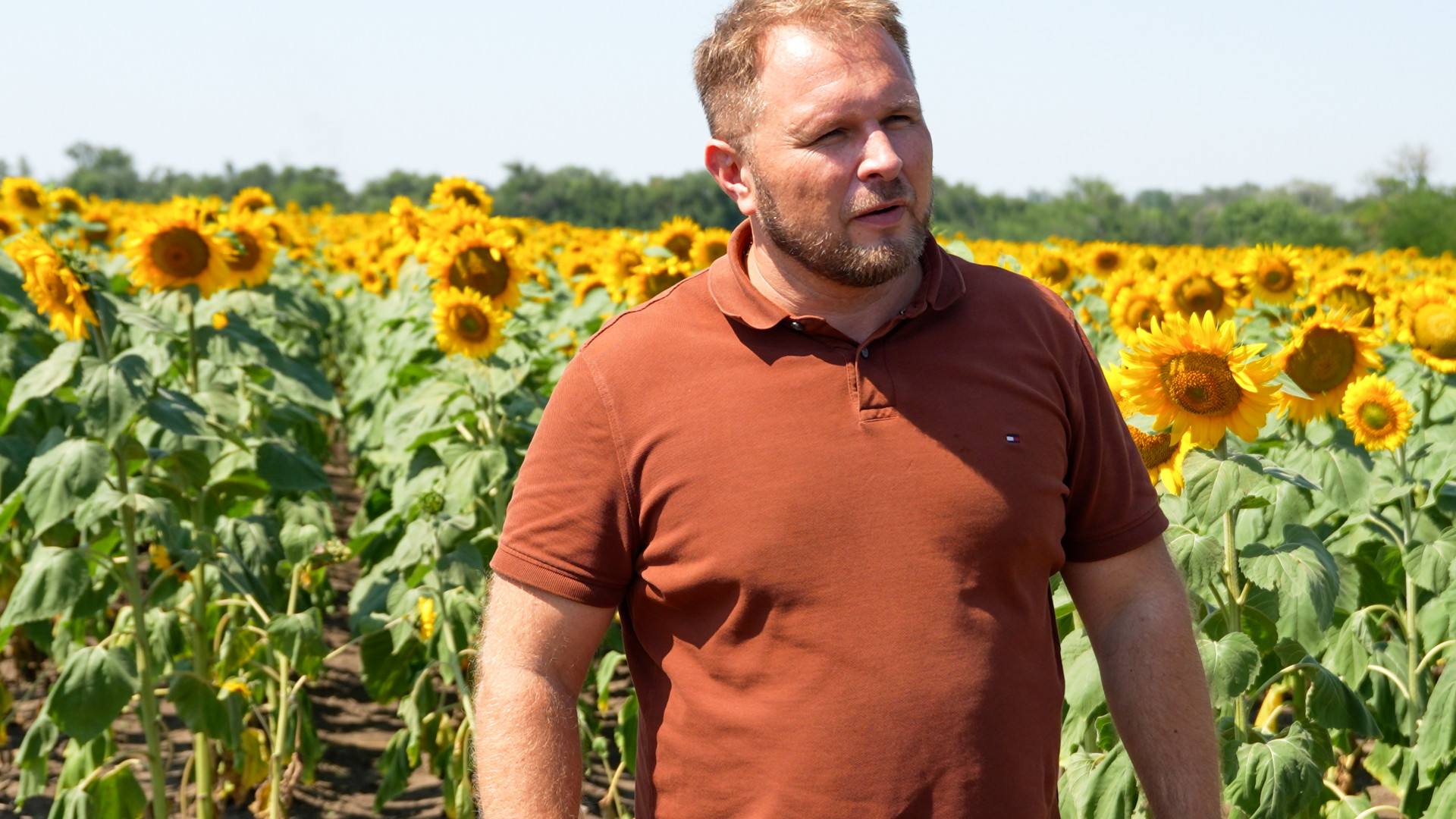
This is how Yehor Kharytonov, Director of Kryvbas Industrial Water Supply, describes the impact of work that has been underway for several years. At first glance, its purpose is simple: to ensure people have water. But after the destruction of the Kakhovka Dam on 6 June 2023, this became a complex engineering challenge that has had to be addressed amid constant Russian attacks. 
The destruction of the dam brought a fundamental change to water supply across southern Ukraine. The Kakhovka Reservoir had been a critical source of water for households, agriculture and industry. After the reservoir was lost, the established water supply system ceased to function for many communities. 
 
“You are losing water sources for people. You are also losing water sources for agriculture, irrigation and industry,” explains Oleg Kutnyk, Water, Sanitation and Hygiene (WASH) Officer at the Embassy of Switzerland in Ukraine. 
default image alt text

Satellite images of the Kakhovka Reservoir before the destruction of the dam and one month later.

default image alt text

Satellite images of the Kakhovka Reservoir before the destruction of the dam and one month later.
For Yehor Kharytonov and his team, the first days after the disaster were a period of profound uncertainty. 
 
“That morning was a turning point for all of Ukraine. We still believed that it would not happen. But as we watched the water disappear day by day, we realised that we had to survive and find solutions.” 
 
The first response to the crisis was emergency humanitarian assistance. 
 
“We provided water tanks and water trucks to distribute water to cities and small settlements,” says Oleg Kutnyk. 
However, it soon became clear that while water deliveries could help communities get through the immediate crisis, they could not replace a functioning water supply system. 
 
A different approach was needed. 
From emergency water supply to systemic recovery
“Our support has evolved from pure emergency response and efforts to prevent the water system from collapsing towards post-emergency and early recovery, with a strong focus on the resilience of the system itself,” explains Lise Boulicault, Deputy Head of the WASH Team at the Embassy of Switzerland in Ukraine. 
 
One of the key steps was a comprehensive audit of Kryvbas Industrial Water Supply. Its purpose was not simply to identify what equipment needed to be purchased, but to understand how the system could be reconfigured to operate more efficiently and withstand new challenges. 
 
“More than ten donor organisations came to us. But the conversation with the Swiss was different. They said they were ready to help, but that they wanted to work together with us rather than simply provide assistance. Every step had to be justified,” recalls Yehor Kharytonov. 
“Swiss Humanitarian Aid does not only provide materials and equipment. We also provide technical expertise,” says Oleg Kutnyk. 
 
One of the results was the installation of water metering devices. These enabled the company to identify more precisely where water was being lost, detect problematic sections of the network and plan repairs. In 2022, the company recorded 120 pipe bursts. By 2025, that number had fallen to just 26. 
 
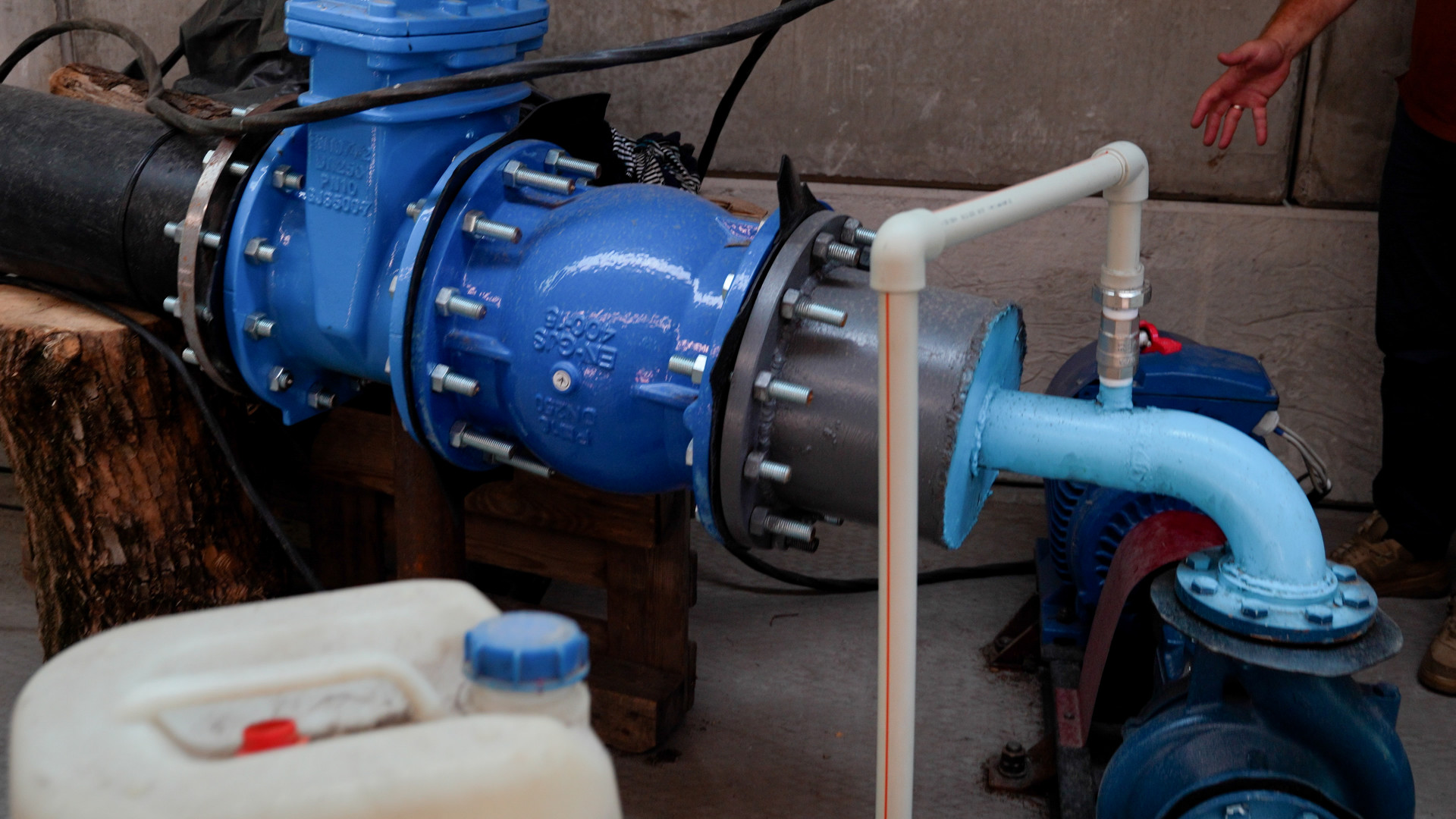
Another solution was the replacement of part of the pumping equipment. The new energy-efficient pumps required less power while delivering higher performance. According to Yehor Kharytonov, this made it possible to roughly halve electricity consumption while increasing the volume of water reaching the reservoirs. 
 
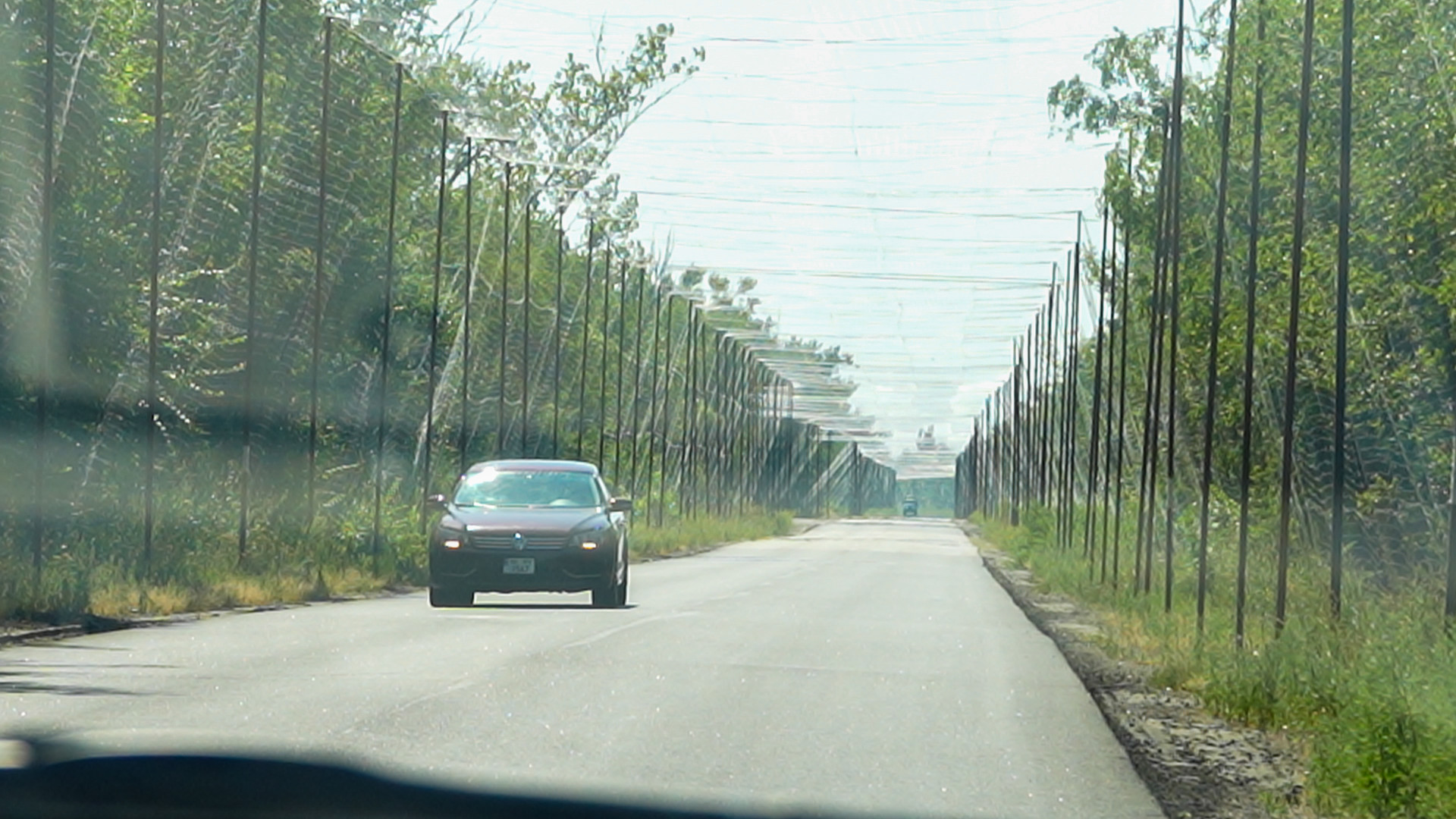
Security, however, remained the biggest challenge. The infrastructure being repaired and upgraded was itself repeatedly targeted by Russian attacks. 
 
“If in 2024 it was still possible to go there and do something, now it is no longer possible because of the drone threat,” says Oleg Kutnyk. 
One of the pumping stations had to be restored five times after attacks. Eventually, the team returned to one of the solutions identified during the audit: relocating the water intake to a safer location. 
 
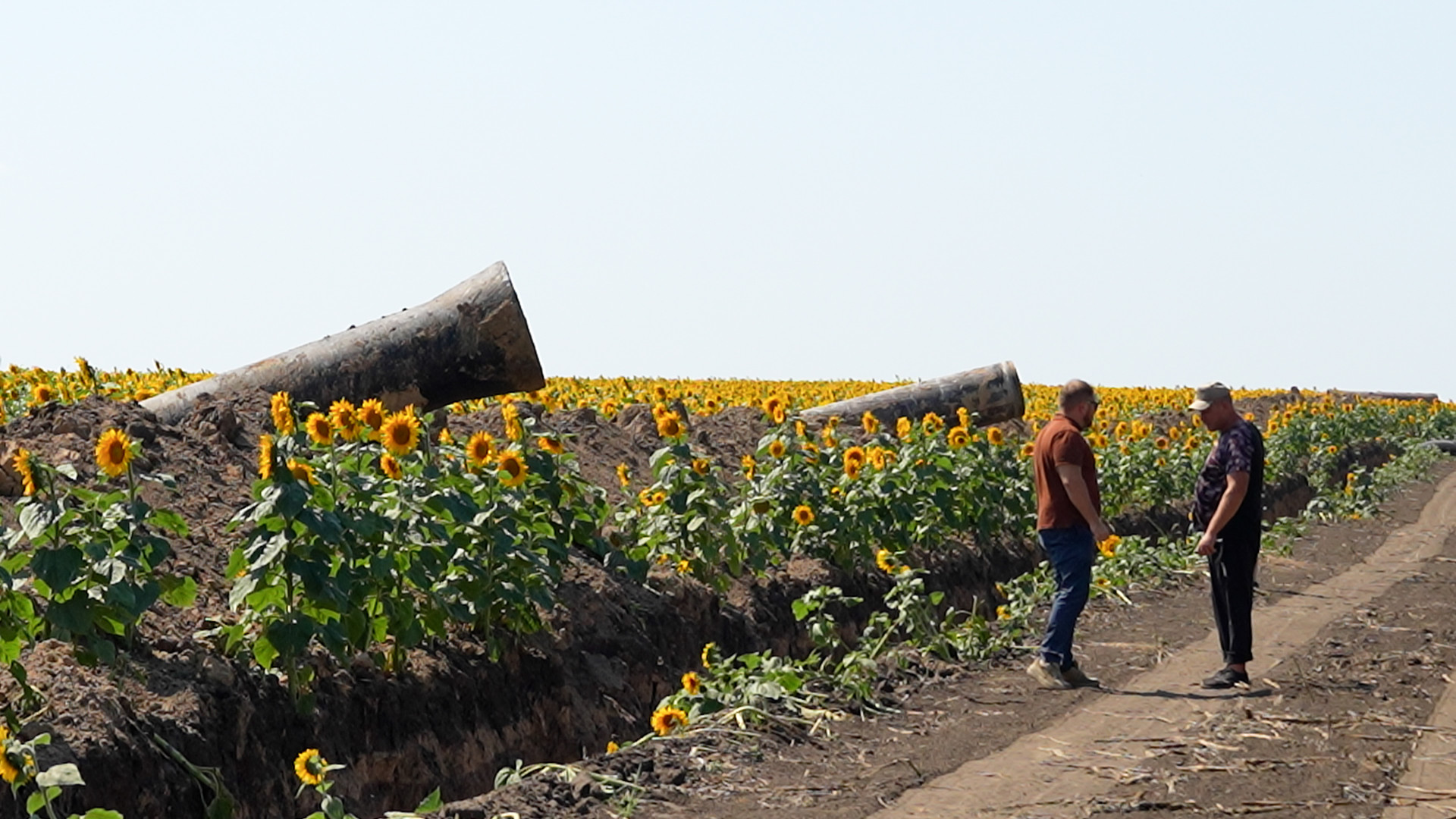
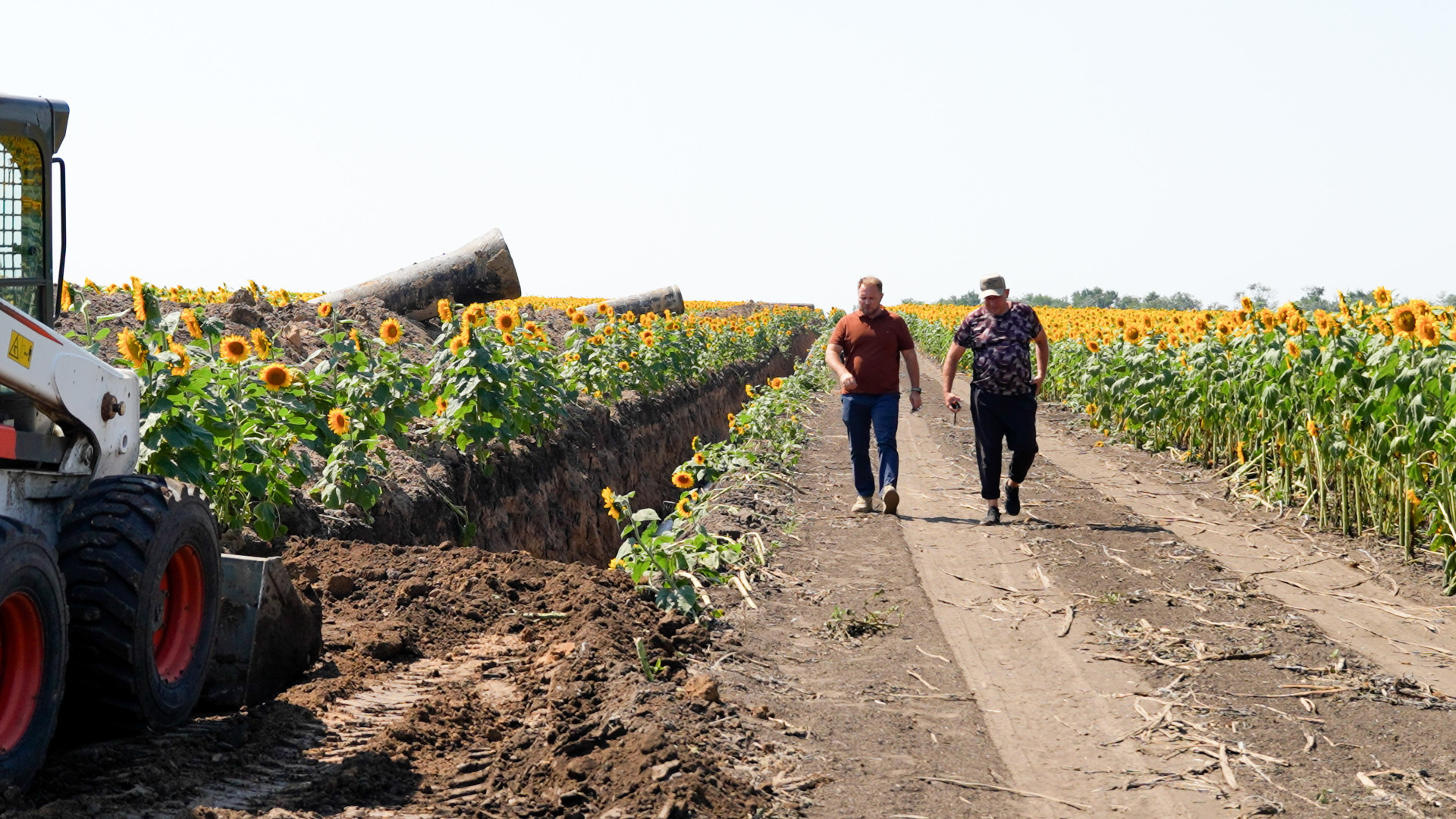
Swiss specialists and Ukrainian engineers assessed several options and selected the most suitable one. The new location was farther from occupied territory, part of the necessary energy infrastructure was already nearby, and the route of the new pipeline made it possible to minimise the impact on the environment and on the work of local farmers. 
 
The first stage — five kilometres of pipeline — was completed in just a month and a half. 
If we had not started the pumping station, our water reserves would have lasted only about two more days
“I did not know whether we would be able to lay those five kilometres. There were constant attacks, constant drones. When we finished, the guys were jumping for joy,” recalls Yehor Kharytonov.
The work was accelerated, in part, by pipe-welding equipment provided by Switzerland. Instead of one team, three teams were able to work simultaneously, laying more than 400 metres of pipeline per day. 
 
The new water intake was launched at a critical moment. 
 
“If we had not started the pumping station, our water reserves would have lasted only about two more days.” says Kharytonov. 
 
The system now provides water to around 40,000–45,000 people. 
Daily work under constant threat
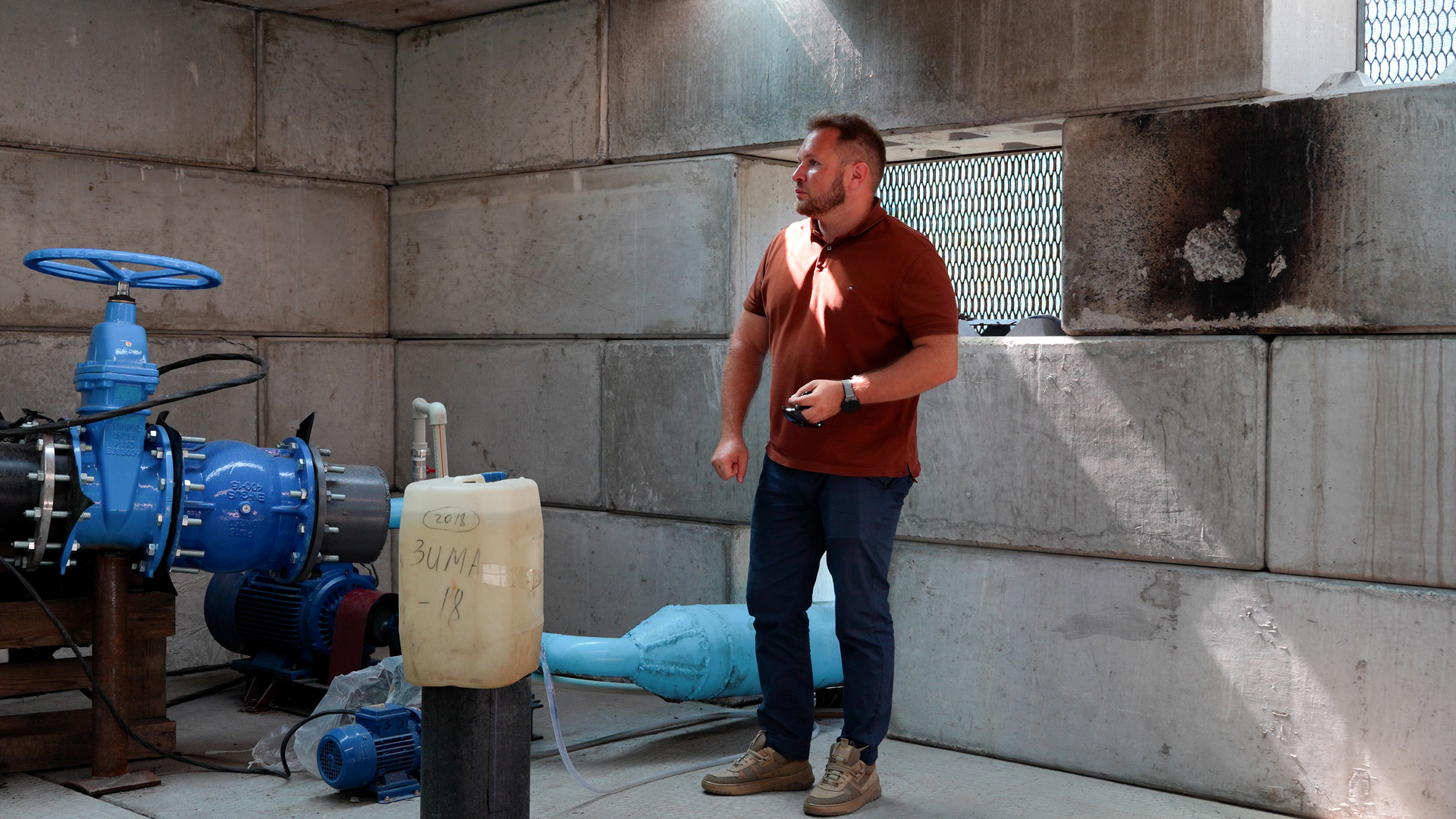
At the same time, the concept of safety in a frontline region remains relative. Special concrete blocks, assembled much like building blocks, were used in the construction of the new pumping station. Unfortunately, their strength had to be tested not in a laboratory, but in real life: one of the blocks was hit by a Russian drone. 
Despite the danger, the system continues to operate and evolve. Today, the task is no longer simply to restore what was destroyed. It is about building a more efficient, economical and resilient system capable of functioning even in exceptionally difficult conditions. 
 
“I am really proud of the work we do within Swiss Humanitarian Aid and the Embassy of Switzerland to support Ukraine, especially civilians,” says Lise Boulicault. 
 
For the people who operate this system every day, the result can be measured in kilometres of pipeline, fewer pipe bursts or kilowatt-hours of electricity saved. 
 
But it can also be expressed much more simply. 
 
“This is the future,” says Yehor Kharytonov. “Every step of our cooperation is a step towards the future.” 
Clean water and sanitation / 6