swiss logo photo
[ Education ]
12 / 11 / 2025

How Switzerland Helps Develop Vocational Education in Ukraine — the EdUP Project

-
By -
How Switzerland Helps Develop Vocational Education in Ukraine — the EdUP Project
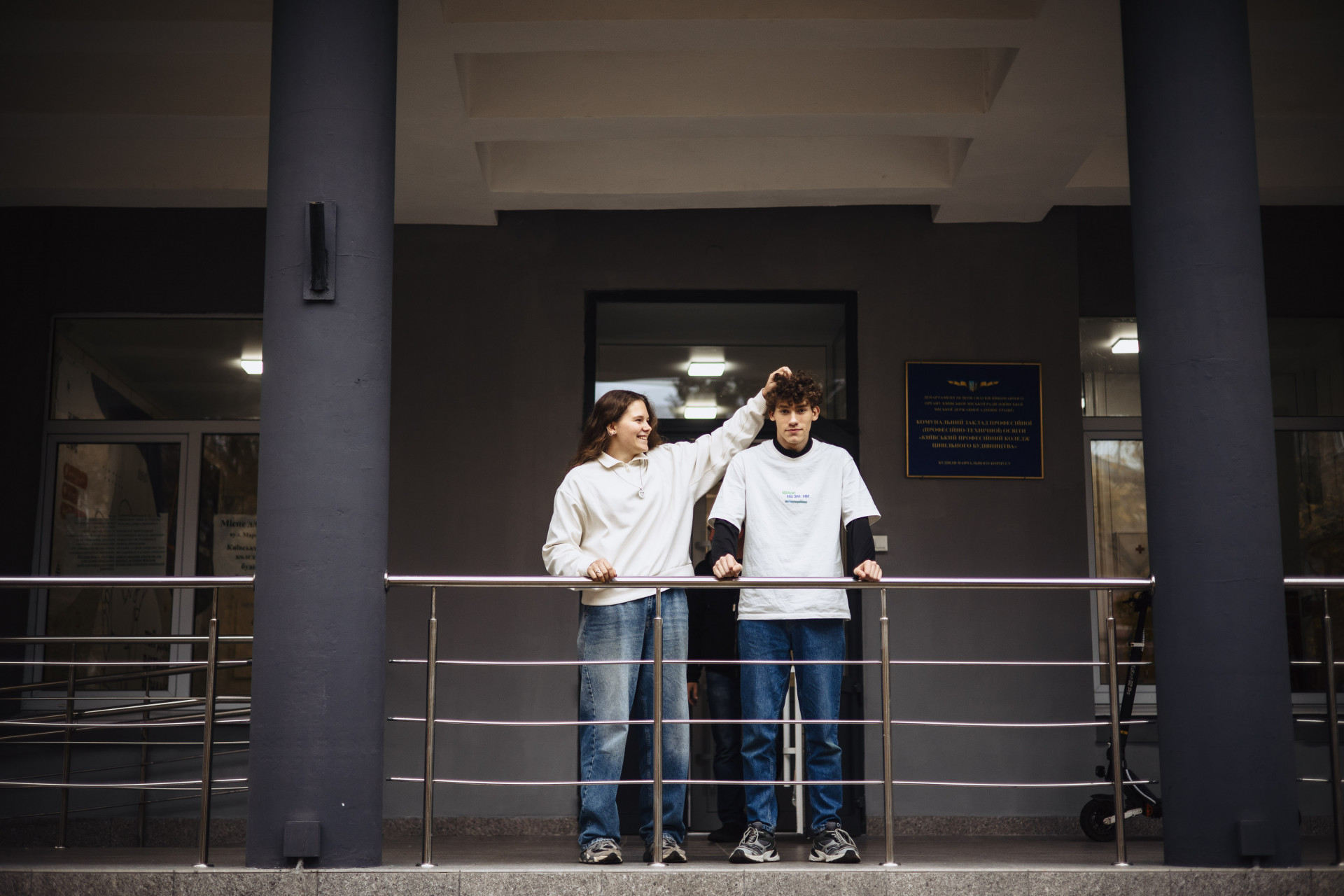
Since 2014, the Swiss-supported EdUP project has been working in Ukraine to strengthen the vocational education system in the construction trades. The goal is simple yet vital: to ensure students gain high-quality knowledge, access modern equipment, and build direct connections with employers. Among those studying in this renewed learning environment are Yevhen and Kateryna Hosudarski, a brother and a sister who moved from front-line Nikopol to Kyiv. Here, they see real prospects and are preparing to rebuild their hometown and their country. 
After the war ends, our professions will be in high demand. There will be so much to rebuild and reconstruct. And besides, having the opportunity to literally create beauty and improve people’s lives with your own hands is simply remarkable, say Kateryna and Yevhen.
The siblings are third-year students at the Kyiv Vocational College of Civil Construction, studying plastering, tiling, and painting. Originally from Nikopol, Dnipropetrovsk region, they were forced to leave home because of constant shelling. 
 
“Unfortunately, the front line is very close to the city. But Nikopol stands strong. Much of the infrastructure is damaged, yet the utility and repair workers act fast and heroically,” they explain. 
 
They recall one of the key moments in their lives — sitting on a swing near the college a few years ago, debating whether to apply there or continue studying in high school. The college won. 
 
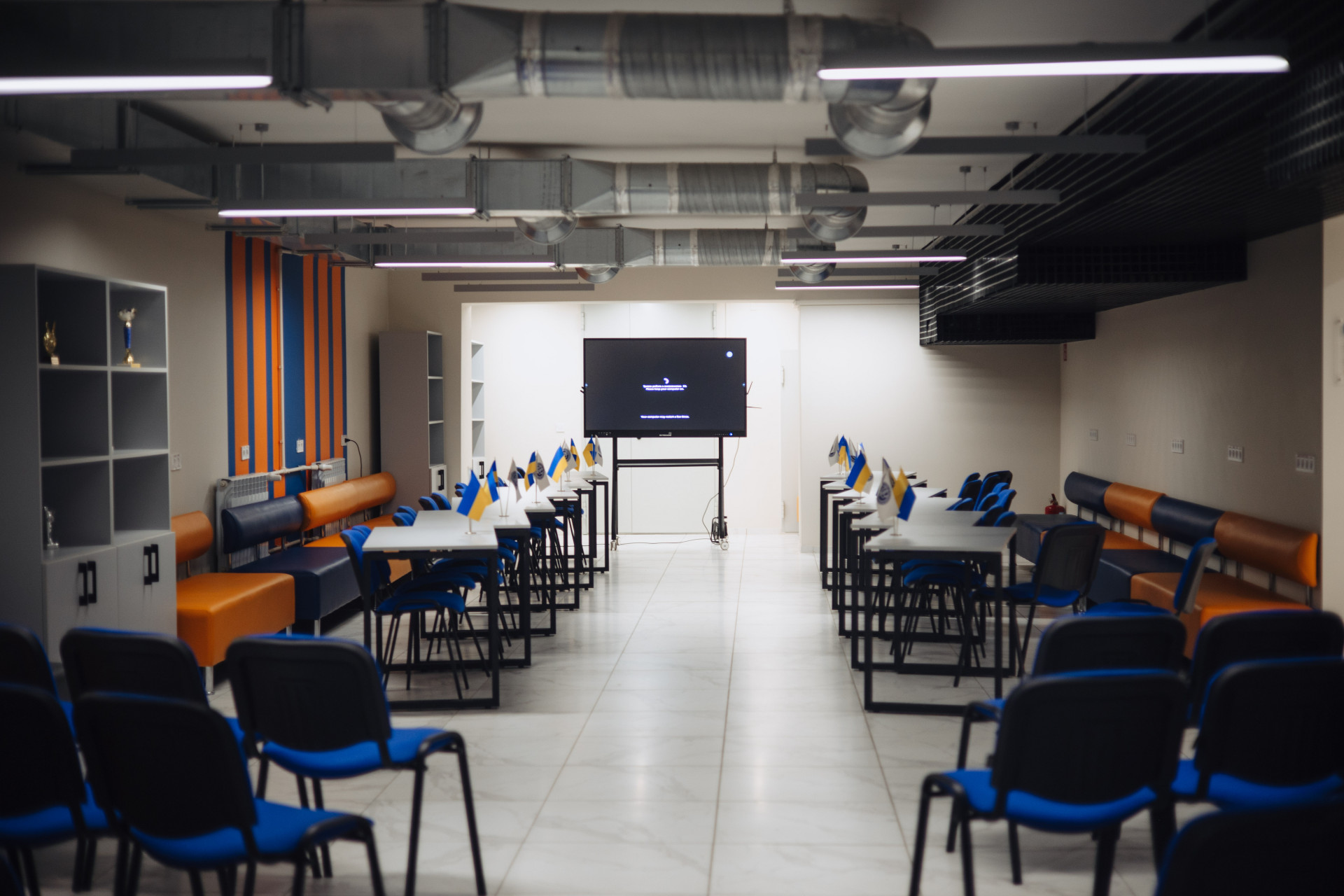
One of the deciding factors was the chance to study offline, partly thanks to a spacious, fully equipped shelter beneath the building. 
 
default image alt text

The shelter after repairs carried out thanks to Swiss support.

default image alt text

Kyiv Vocational College of Civil Construction

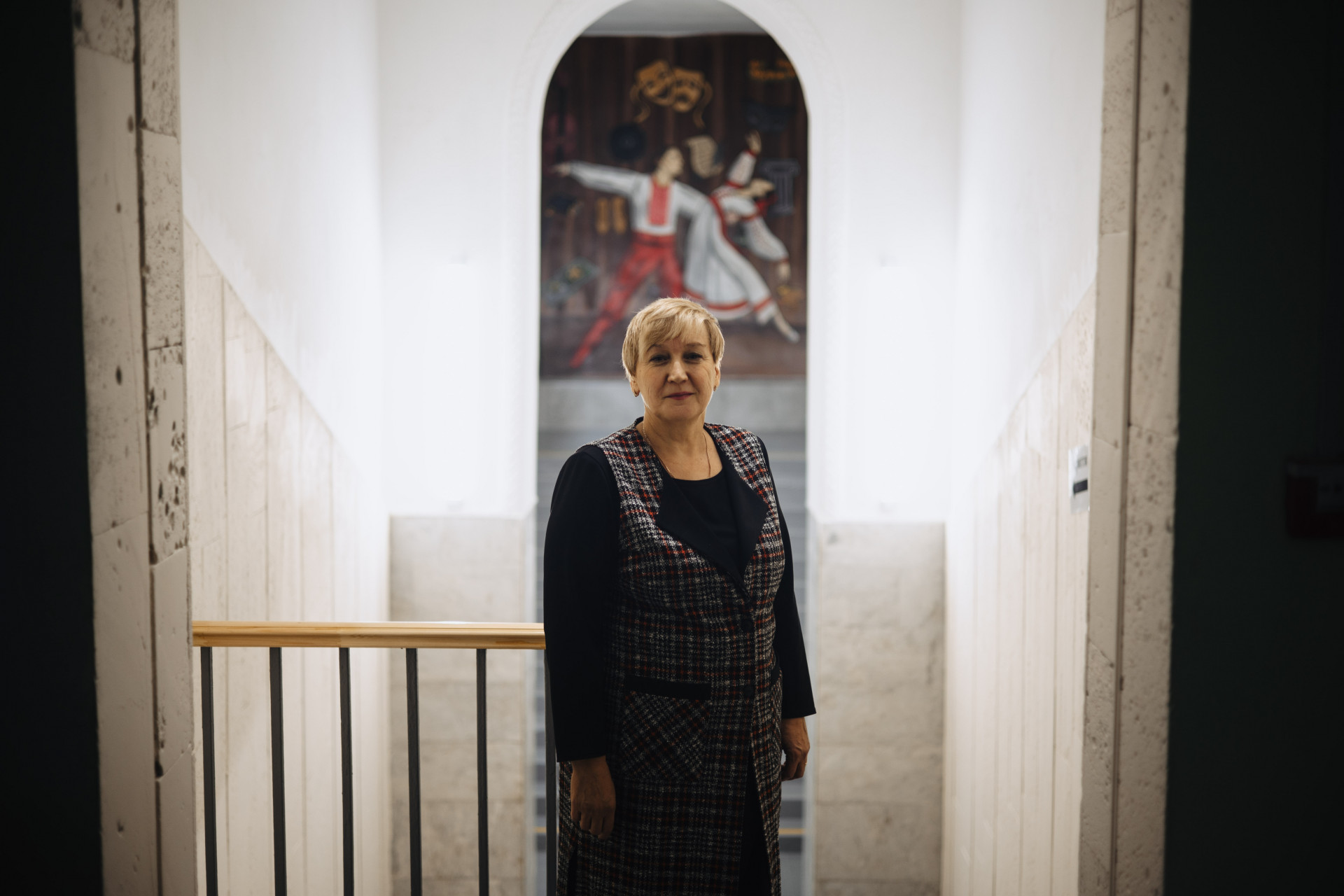
At the start of the full-scale invasion, we set it up ourselves. Then Switzerland stepped in to help, recalls Liudmyla Klymenko, the students’ vocational training instructor.
The Kyiv Vocational College of Civil Construction is among the partner institutions of EdUP, a public-private partnership focused on improving vocational education in Ukraine. The project is funded by the Government of Switzerland together with private partners and implemented by the Swiss development foundation Swisscontact, in cooperation with the Ukraine’s Ministry of Education and Science. 
 
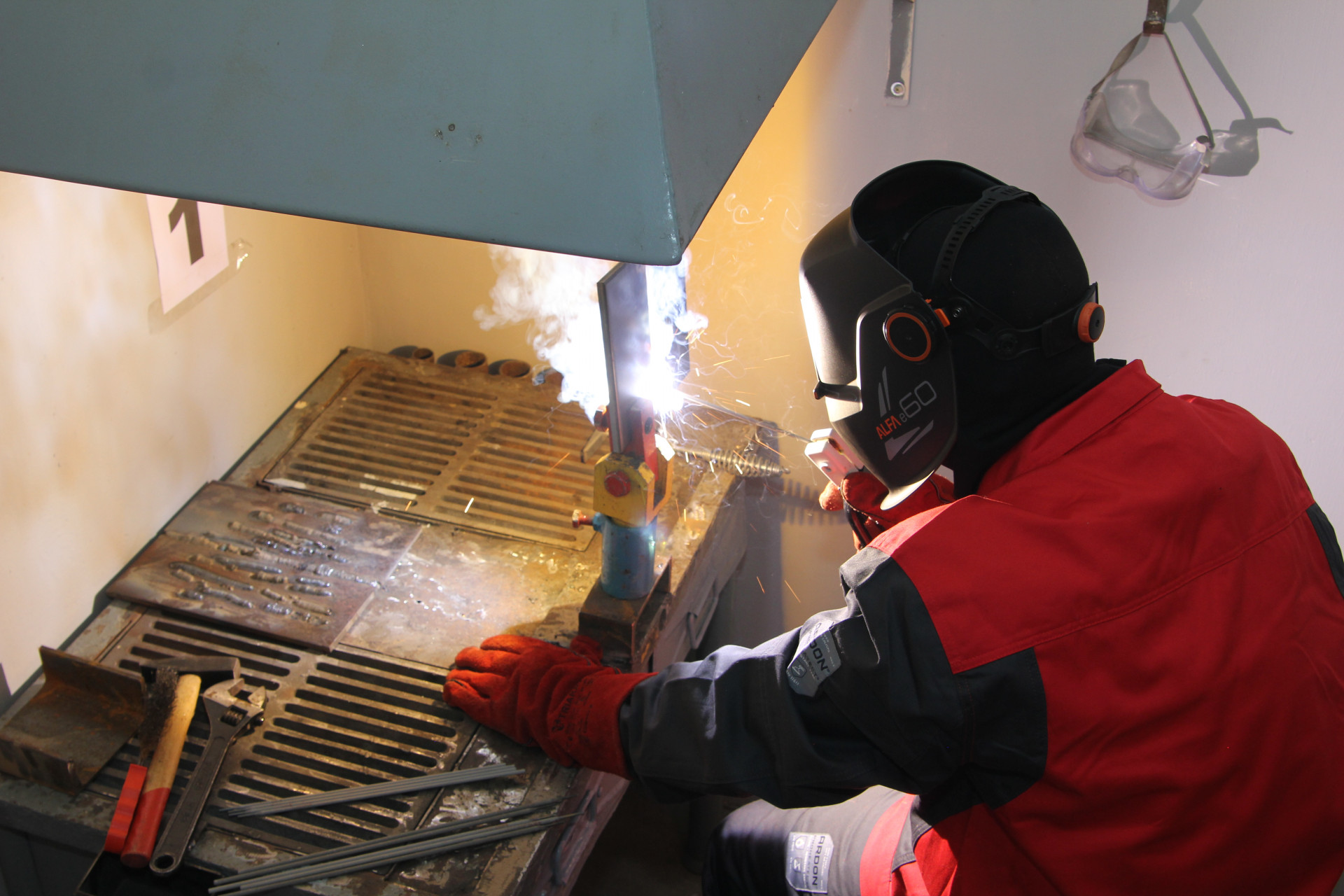
The main goal of EdUP is to enhance the vocational education system in construction-related professions through support from the private sector. It helps young people and adults gain market-relevant skills and earn higher incomes. Since 2014, EdUP has supported training in six construction fields across 29 vocational institutions in Ukraine, partnering with over 50 companies and organizations. 
 
The project also runs special training events for teachers and instructors — including conferences, workshops, and exchange programs. So far, more than 50 educators have upgraded their qualifications and, in turn, have trained over 1,500 tilers and finishers of all ages. 
At the Kyiv college, EdUP funded a complete renovation of the shelter. The space now features new walls, ceilings, and floors; ergonomic furniture; upgraded water and sewage systems; ventilation and air conditioning; modern heating and fire alarms; and fully equipped restrooms —  including an accessible one funded by a Swiss company Geberit, a private donor. A lift was also installed for students and visitors with limited mobility. 
 
Now, this is not only a safe space during air raids but also a functional classroom, used for both theoretical and practical lessons — an essential part of quality vocational education. 
 
“We know we need to keep learning and developing real skills. It’s great that right after graduation we’ll be able to work confidently and earn money,” says Kateryna. 
 
The Hosudarski siblings are gaining hands-on experience through internships at CCG Development, where they also work during holidays as temporary employees. 
 
“We’re so happy to be there. We’ve learned a lot! The mentors treat us wonderfully. And most importantly, it’s real teamwork. Communication is key in our field, and internships really help you master that,” Yevhen explains. 
 
Another advantage is that their internship is paid, allowing them to cover their own expenses and even support their parents. 
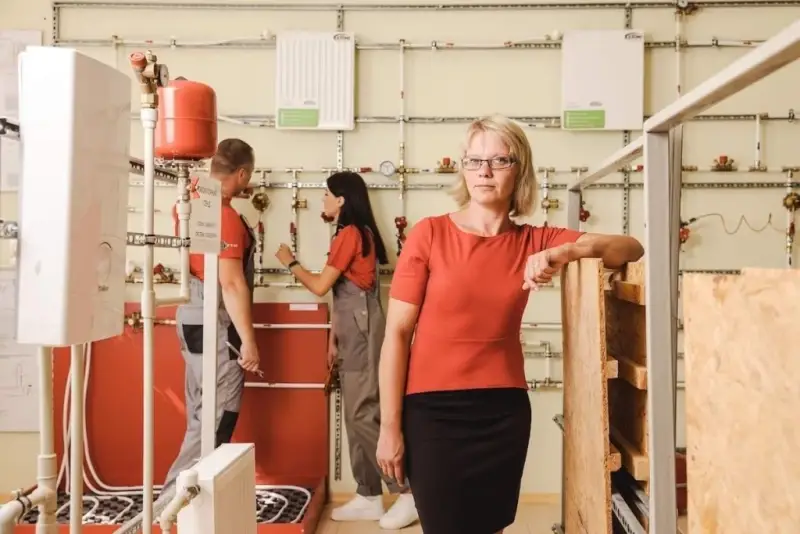
This system is similar to the Swiss model, where young people spend three or four days a week working in a company and the rest studying in a vocational school. They receive a salary during training from the company employing them. 
 
In Switzerland, about two-thirds of young people choose vocational training after compulsory schooling, typically starting at age 15 and finishing around 18 or 19. It’s a key difference from many other countries, where most pursue general academic education. Also, in Switzerland graduates from vocational training are highly regarded by the Swiss society. After completing vocational education in Switzerland, individuals can pursue further studies by obtaining a Federal Vocational Baccalaureate, which allows access to universities of applied sciences or higher professional education. Therefore, graduates from vocational training are not seen inferior to graduates from an academic education. 
 
In Ukraine, vocational education isn’t yet as popular — partly because of its image in society. But with the war, widespread destruction, and shortage of skilled workers, the need for trained professionals — especially in construction — is growing fast. Projects like EdUP are changing both the quality and perception of vocational training by providing modern equipment and teaching methods. 
And the practice has shown it’s better for us to work separately. We’ve been together all our lives, but at work, that can be tricky, Kateryna jokes.
Besides internships, students gain practical experience directly at the college. 
 
“I’ve been working here for 23 years and have seen the incredible transformation of the college,” says Liudmyla Klymenko. “We do all the repairs ourselves, together with the students. They start by learning in workshops, then move to real spaces — classrooms and hallways — and renovate them.” 
 
Her words are clearly visible in action — on one of the floors, work is buzzing right now. 
 
When asked if they plan to return to Nikopol, Kateryna and Yevhen don’t hesitate: 
 
“We really miss home — we haven’t been there for three years. Our dad, grandma, and dog are there. All our memories are there. We often imagine the moment we’ll walk through our front door again. And we keep saying: we’re studying here so we can go back home and fix things up. Though honestly, there’ll be plenty of work everywhere. And we’ll be ready for it.” 
 

Quality education  / 4